Newsletters
Newsletters
Hírlevél
Buletine de știri
Gallery/ Gáleria/ Galerie foto






International Football Championship

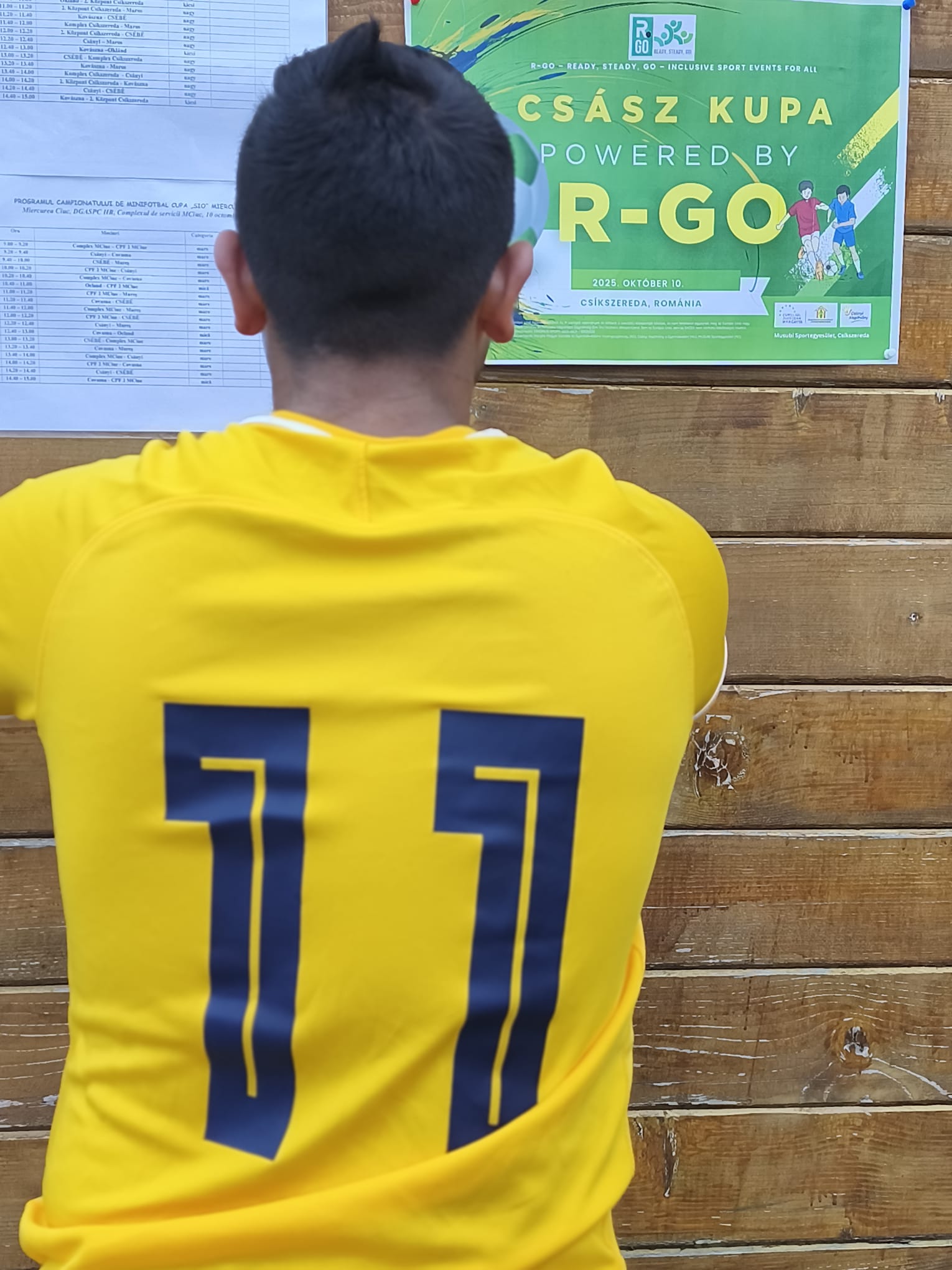
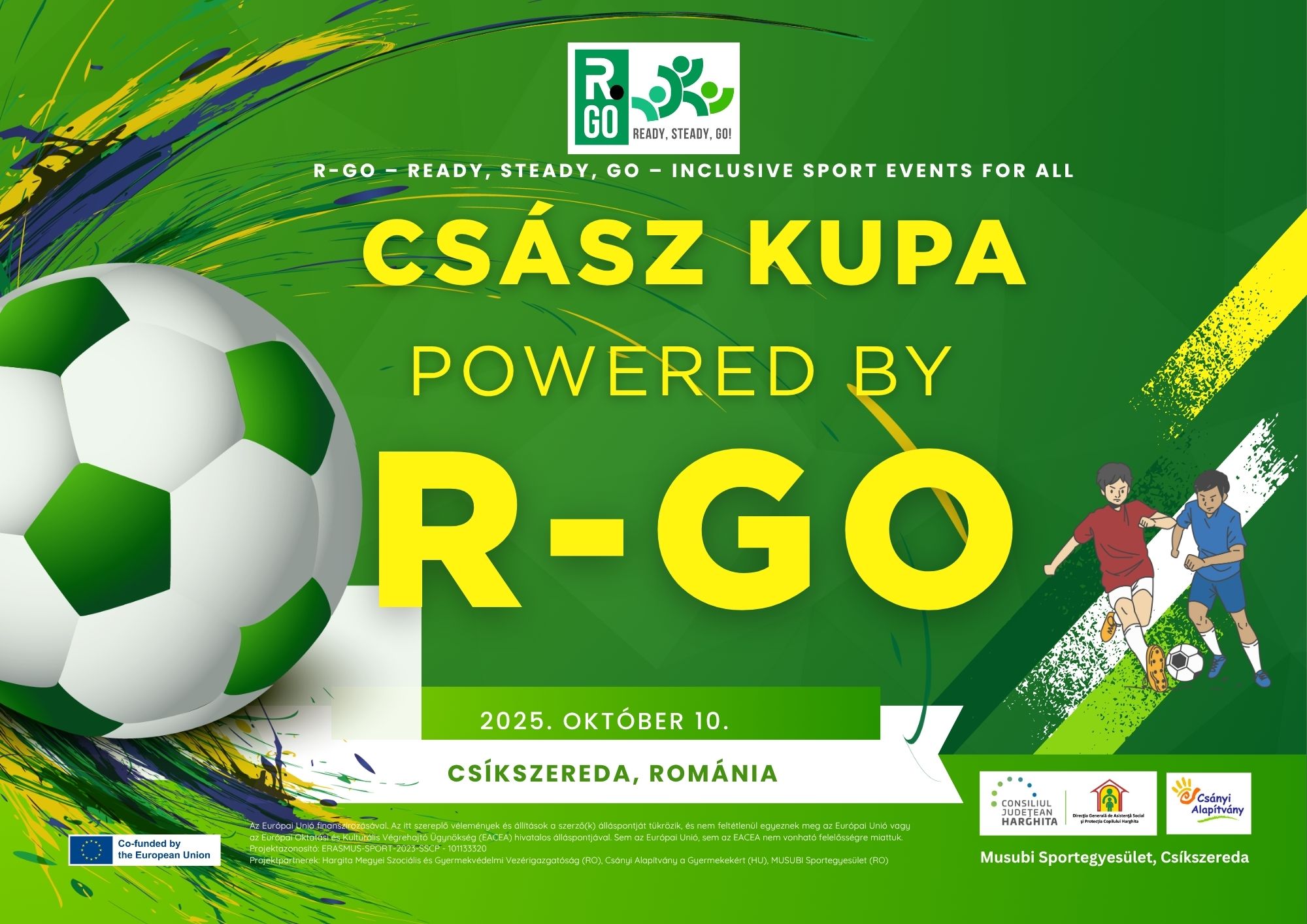
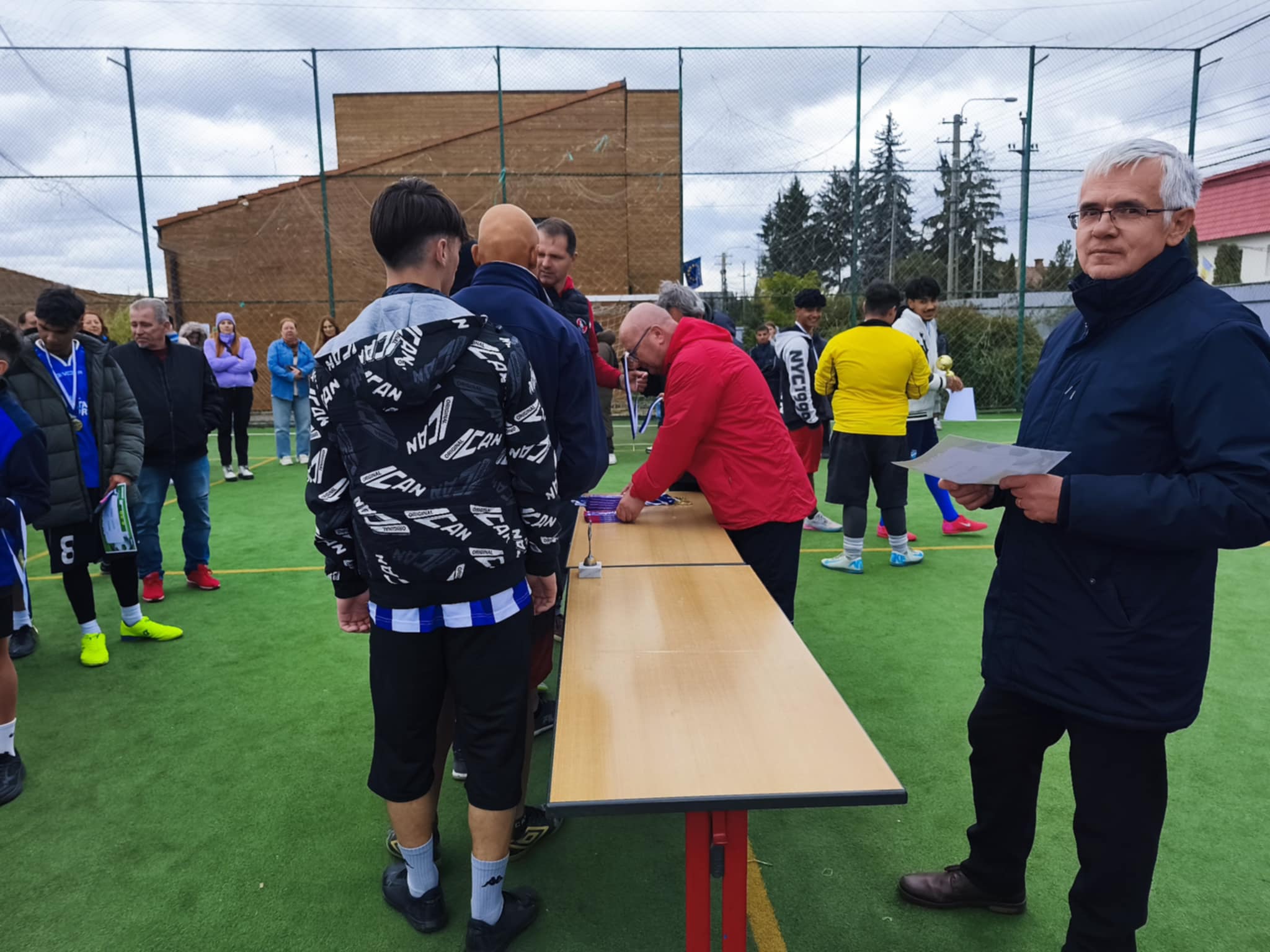
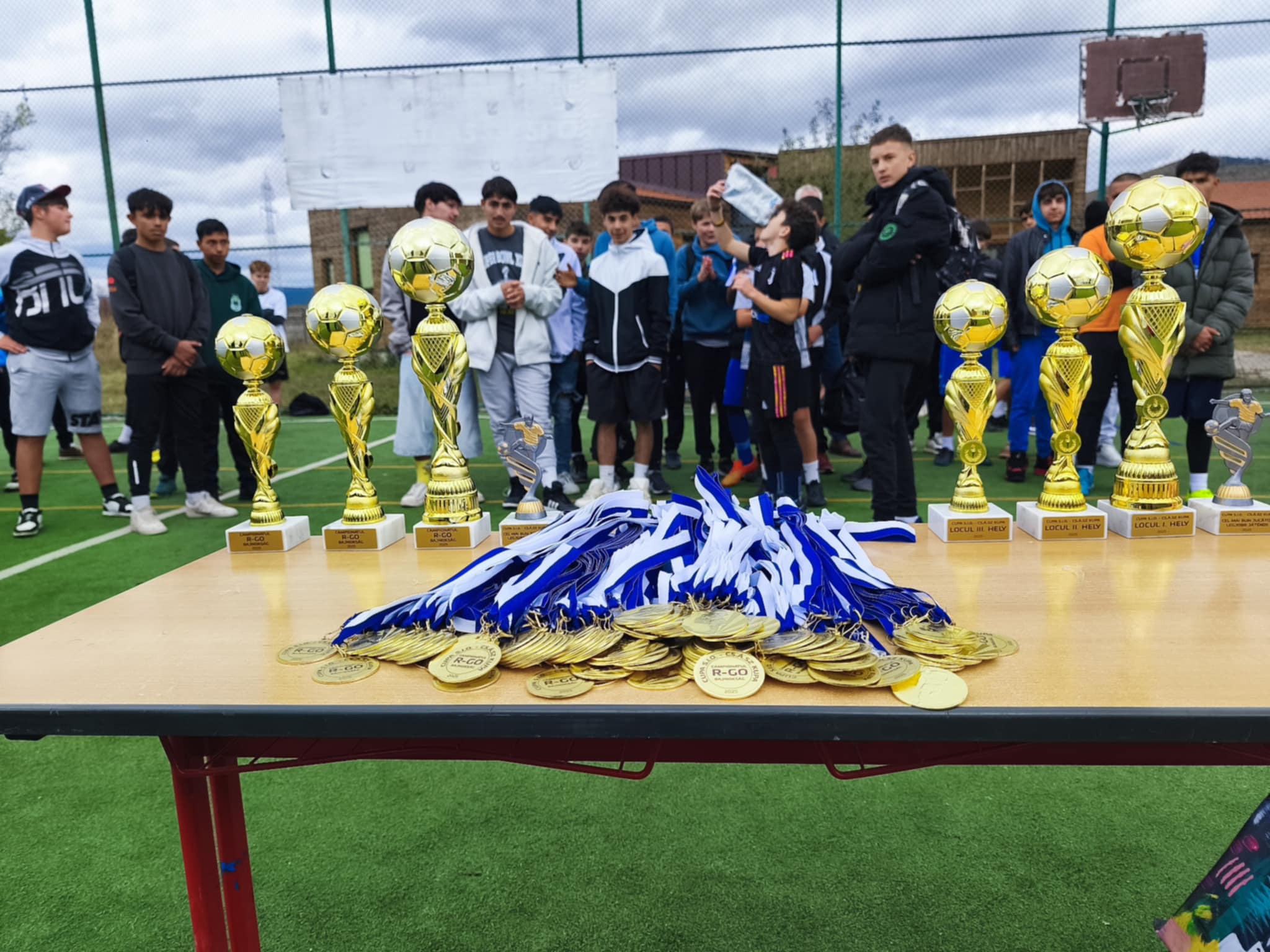
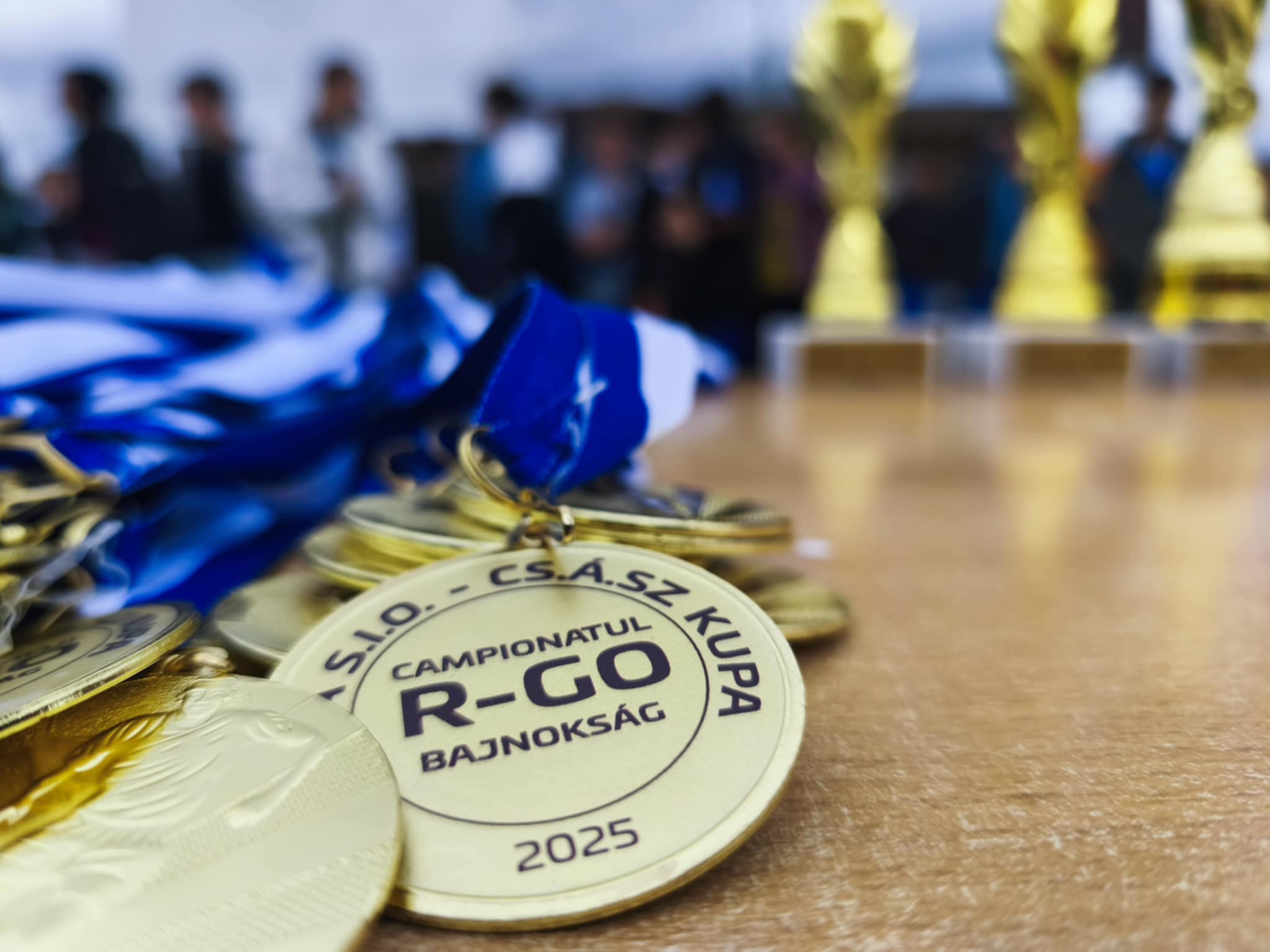
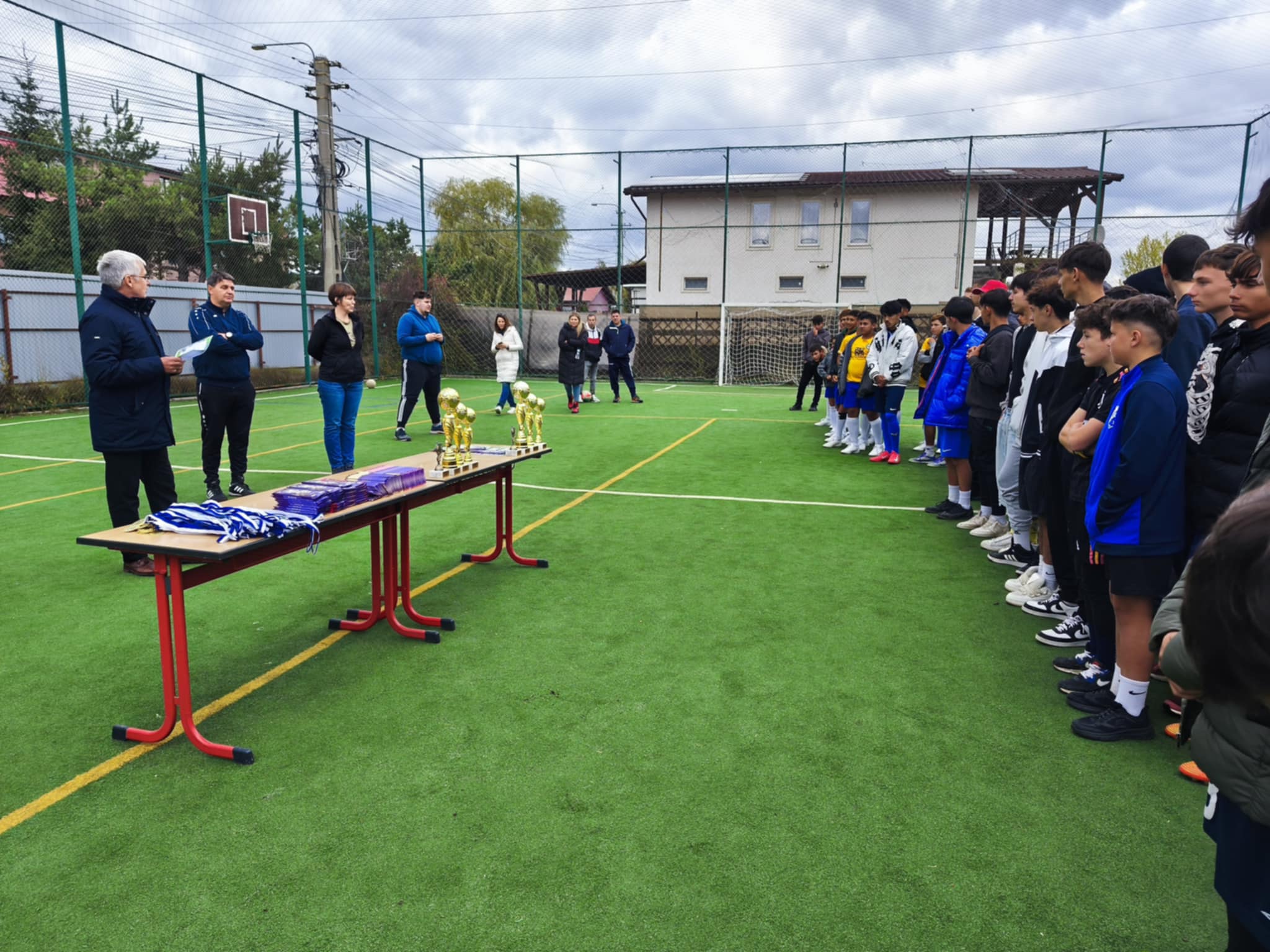
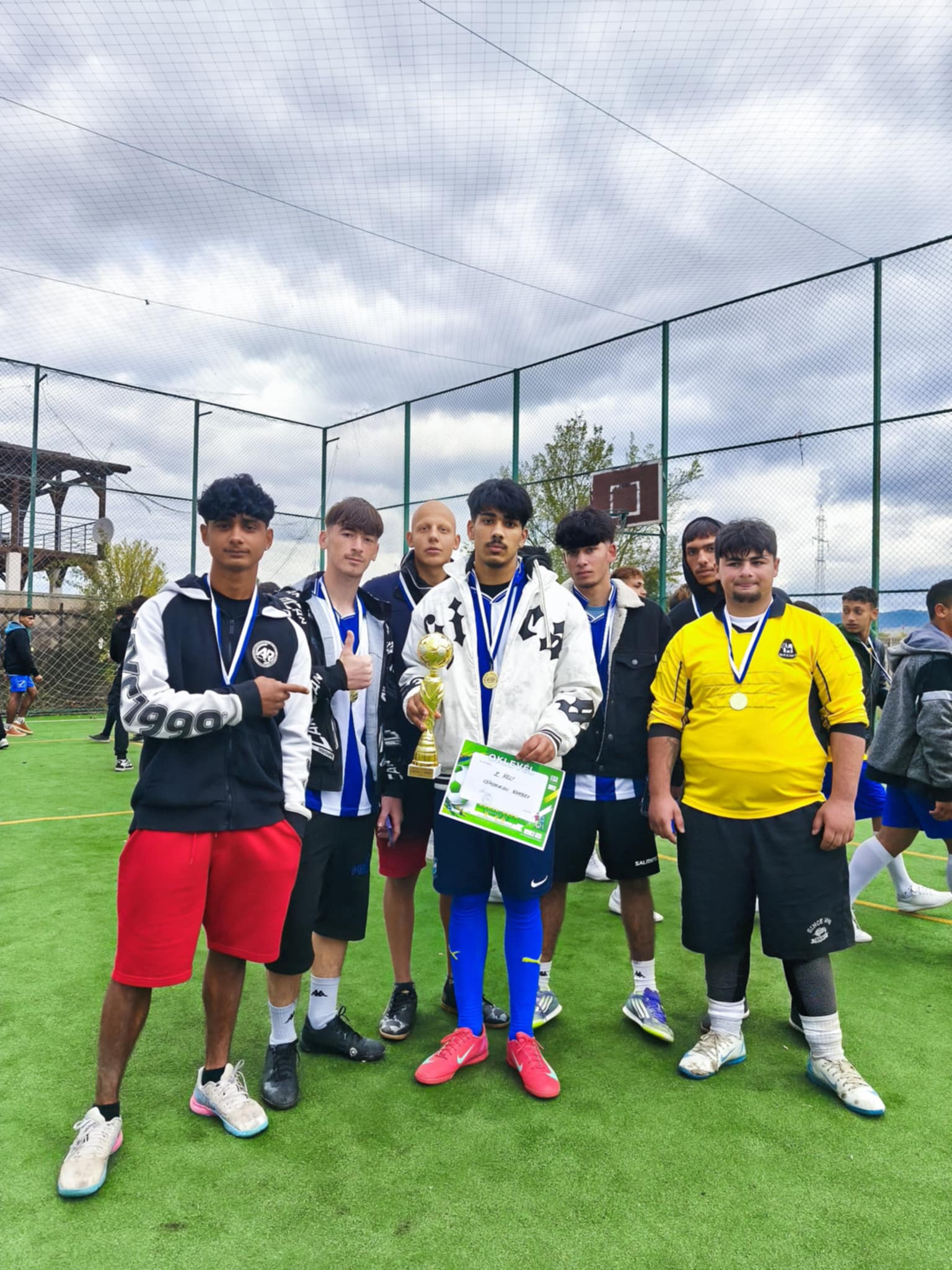
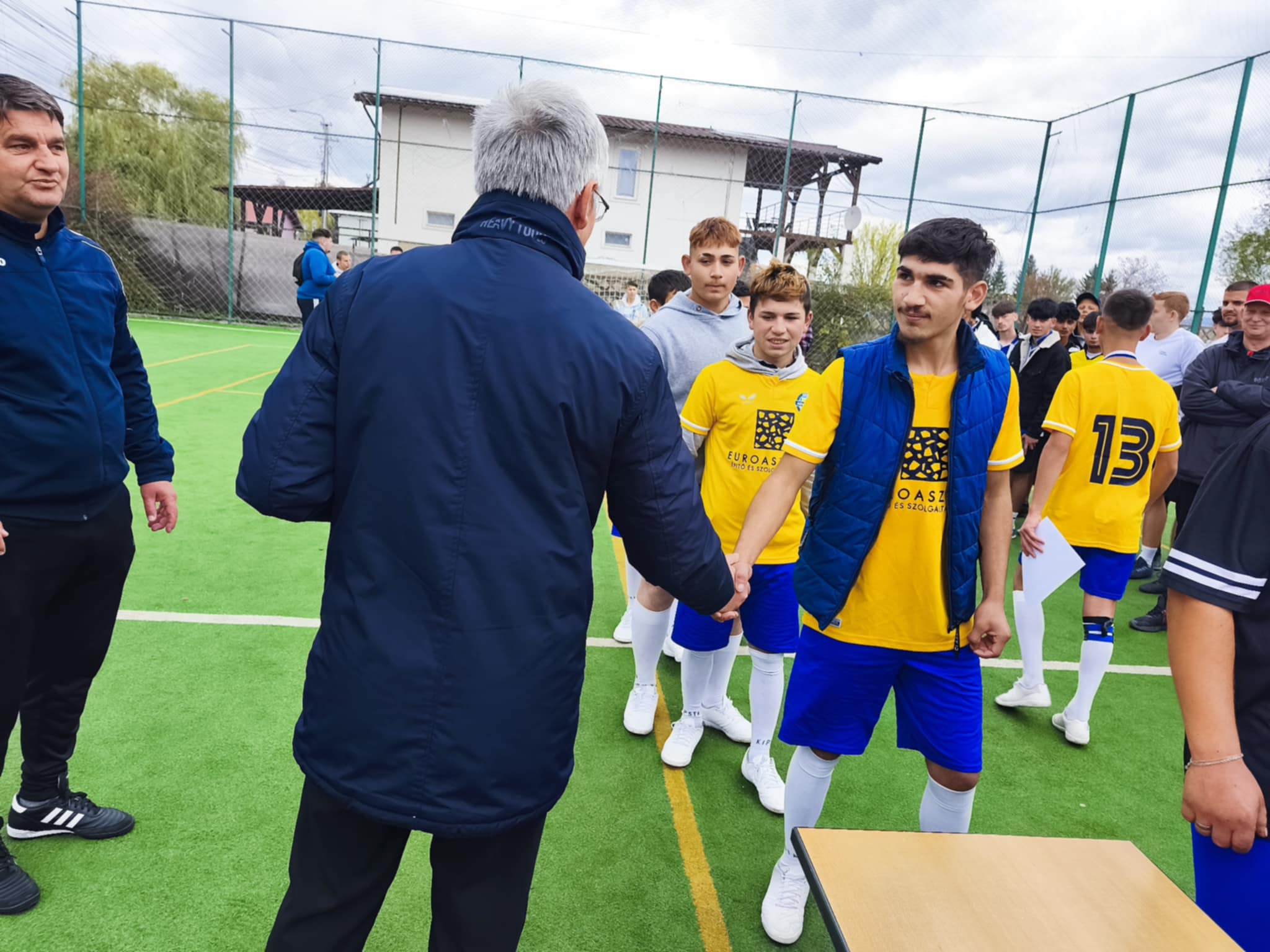
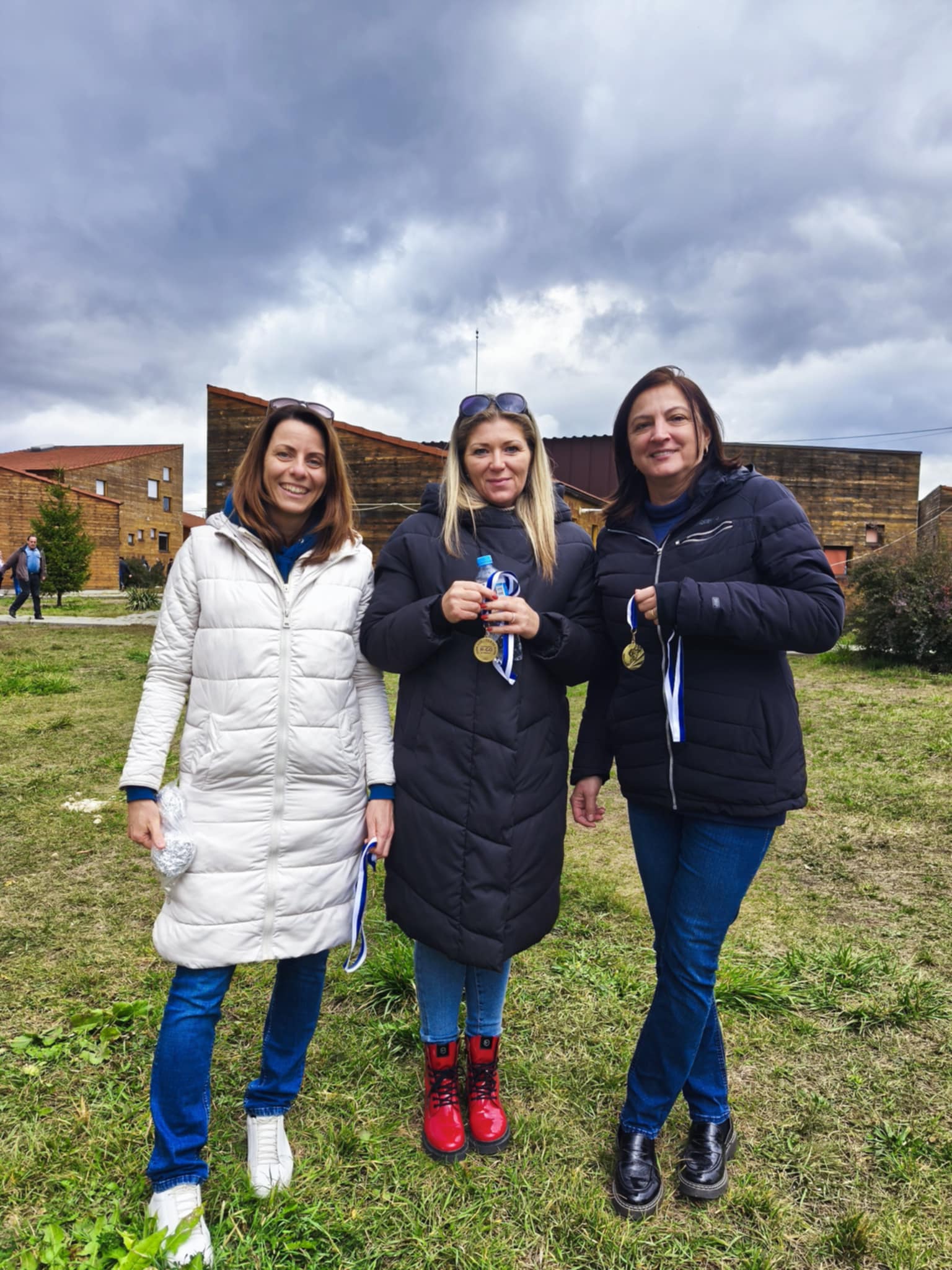
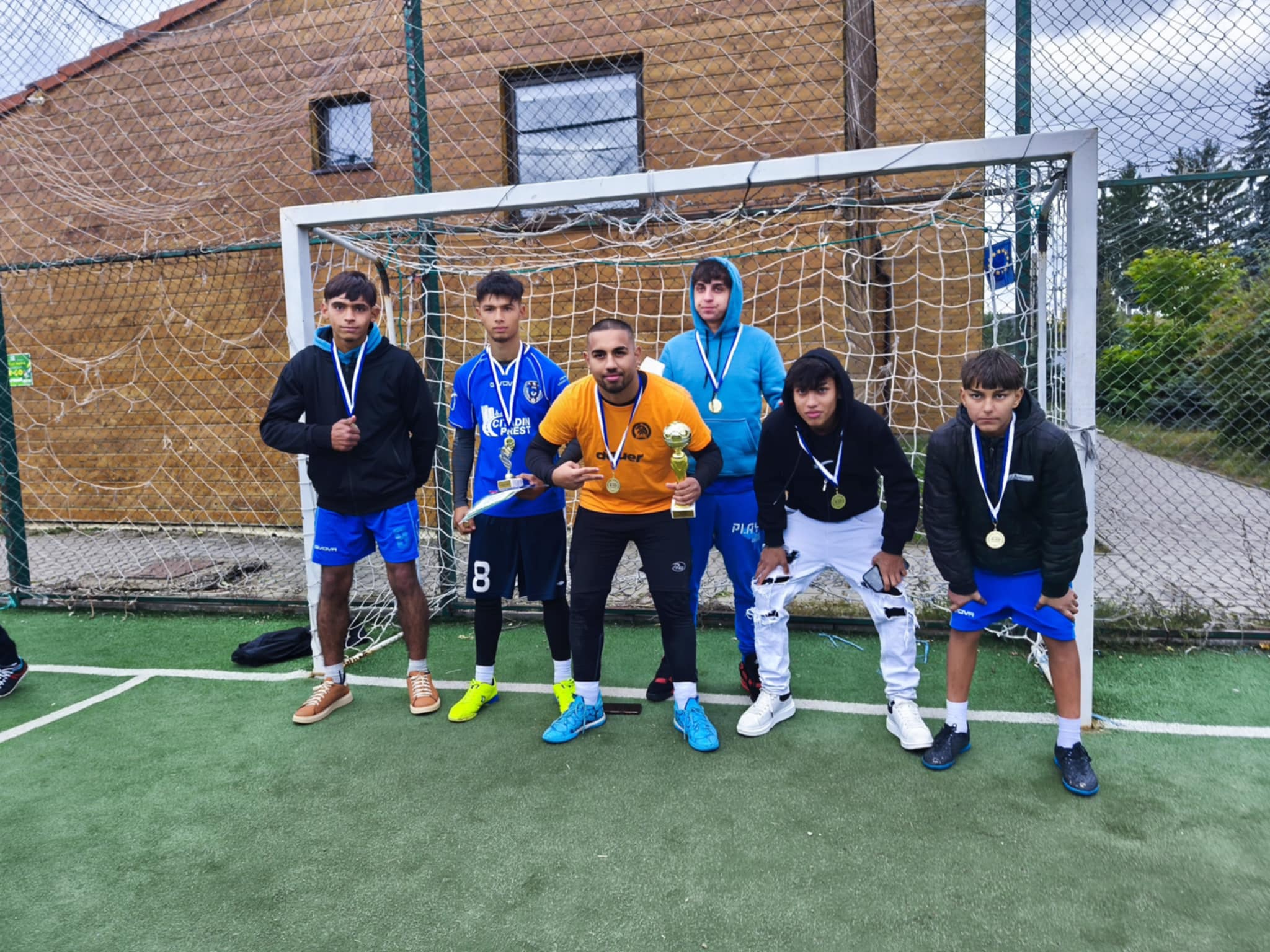
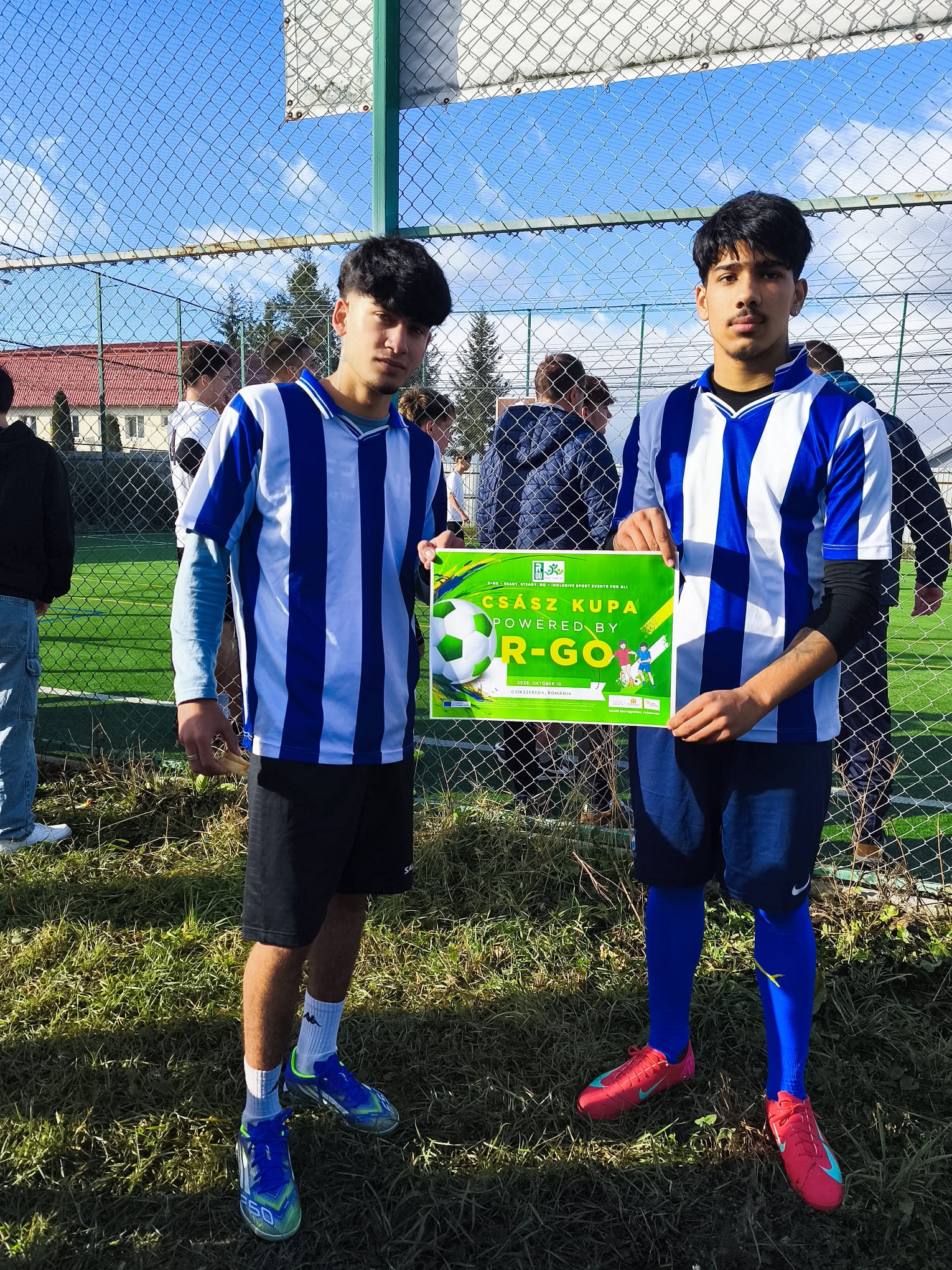
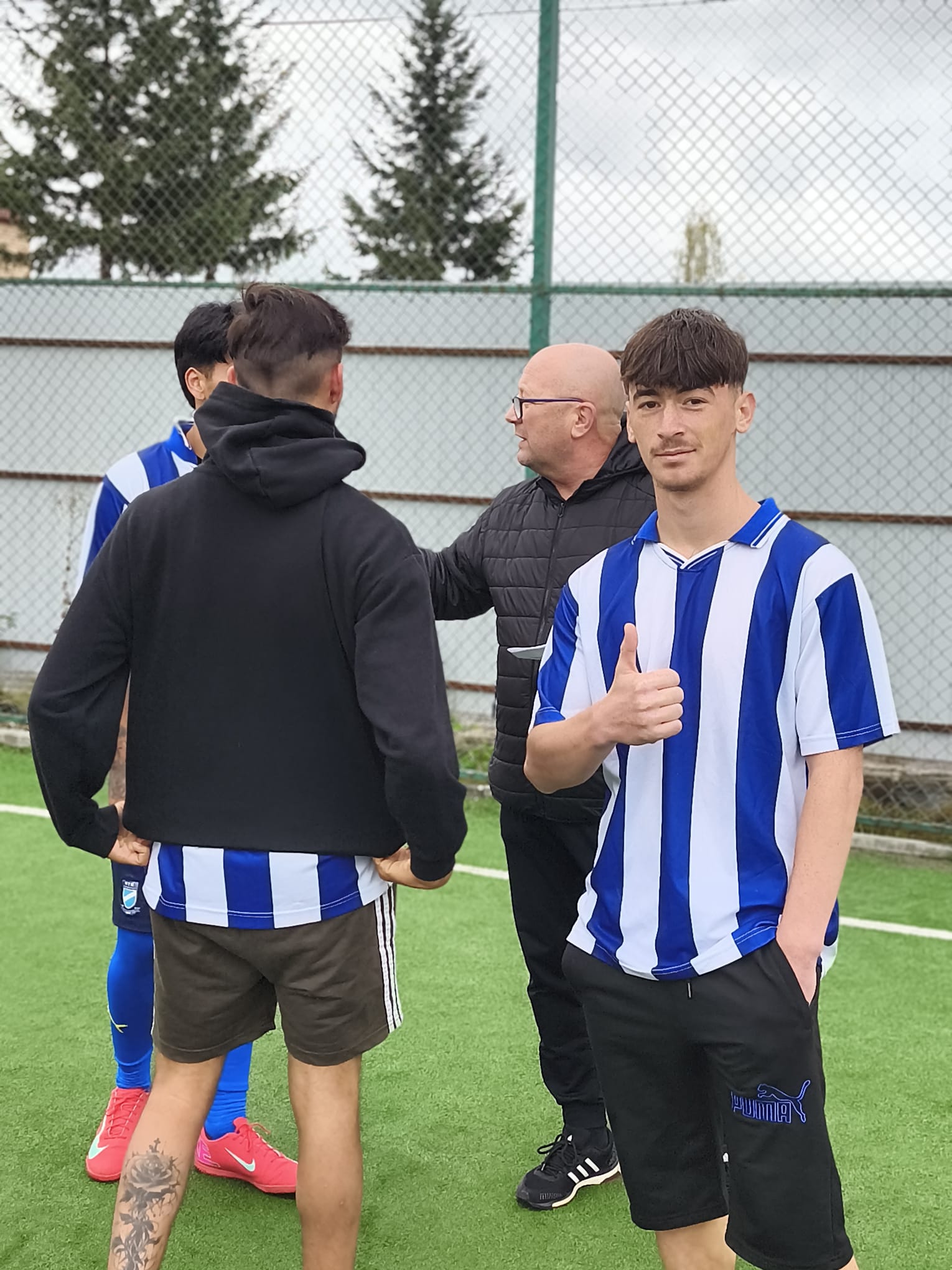
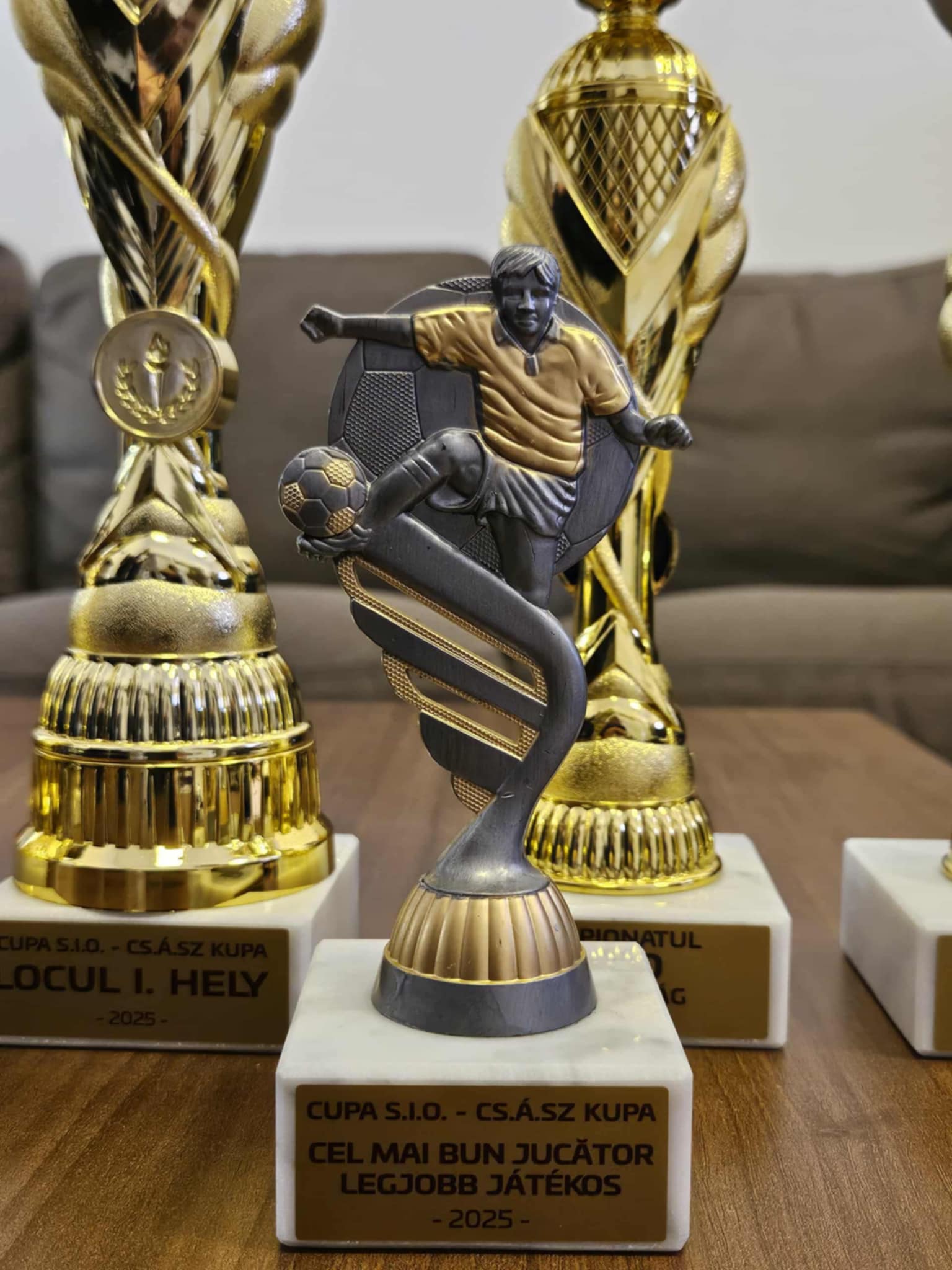
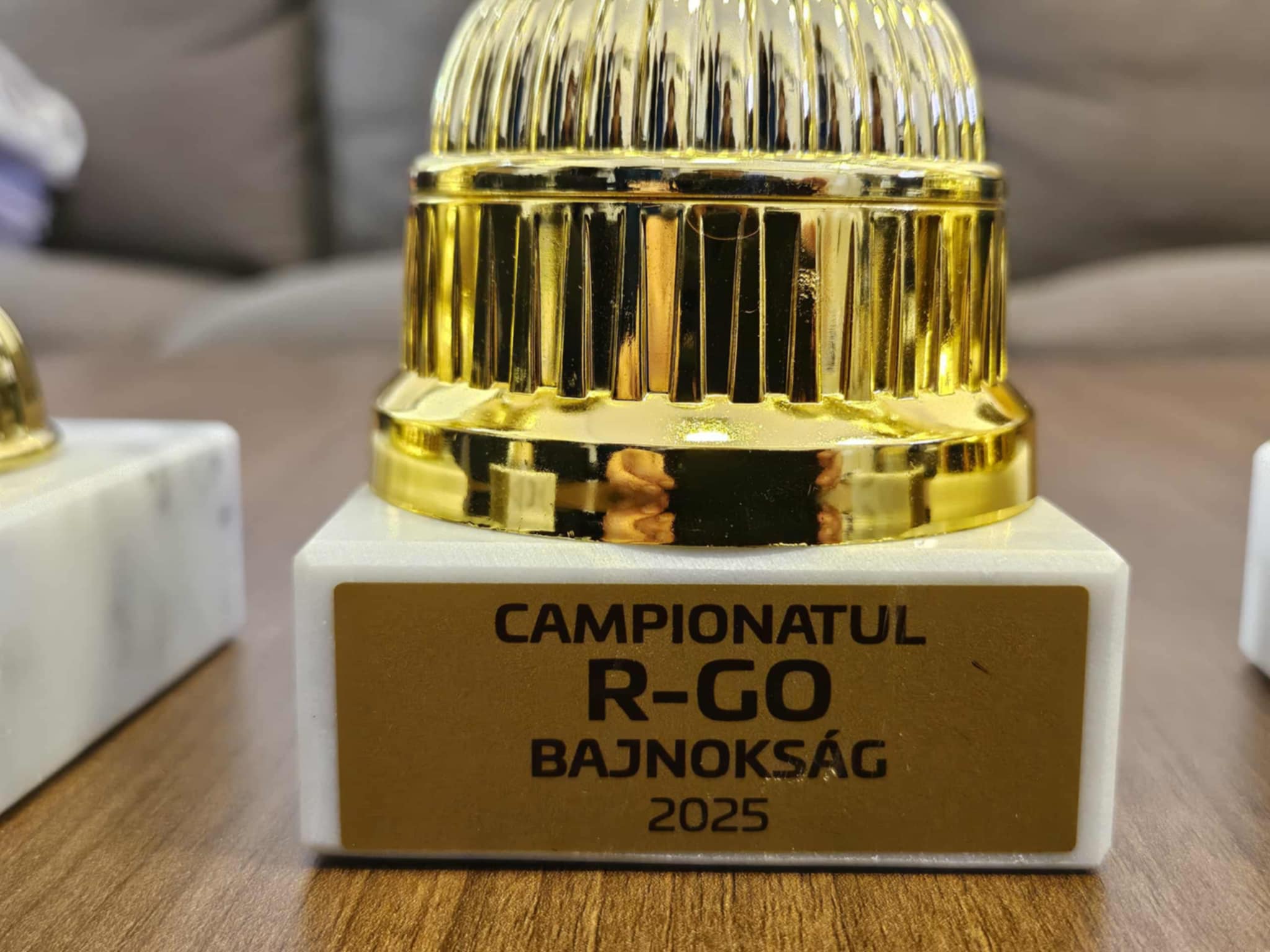
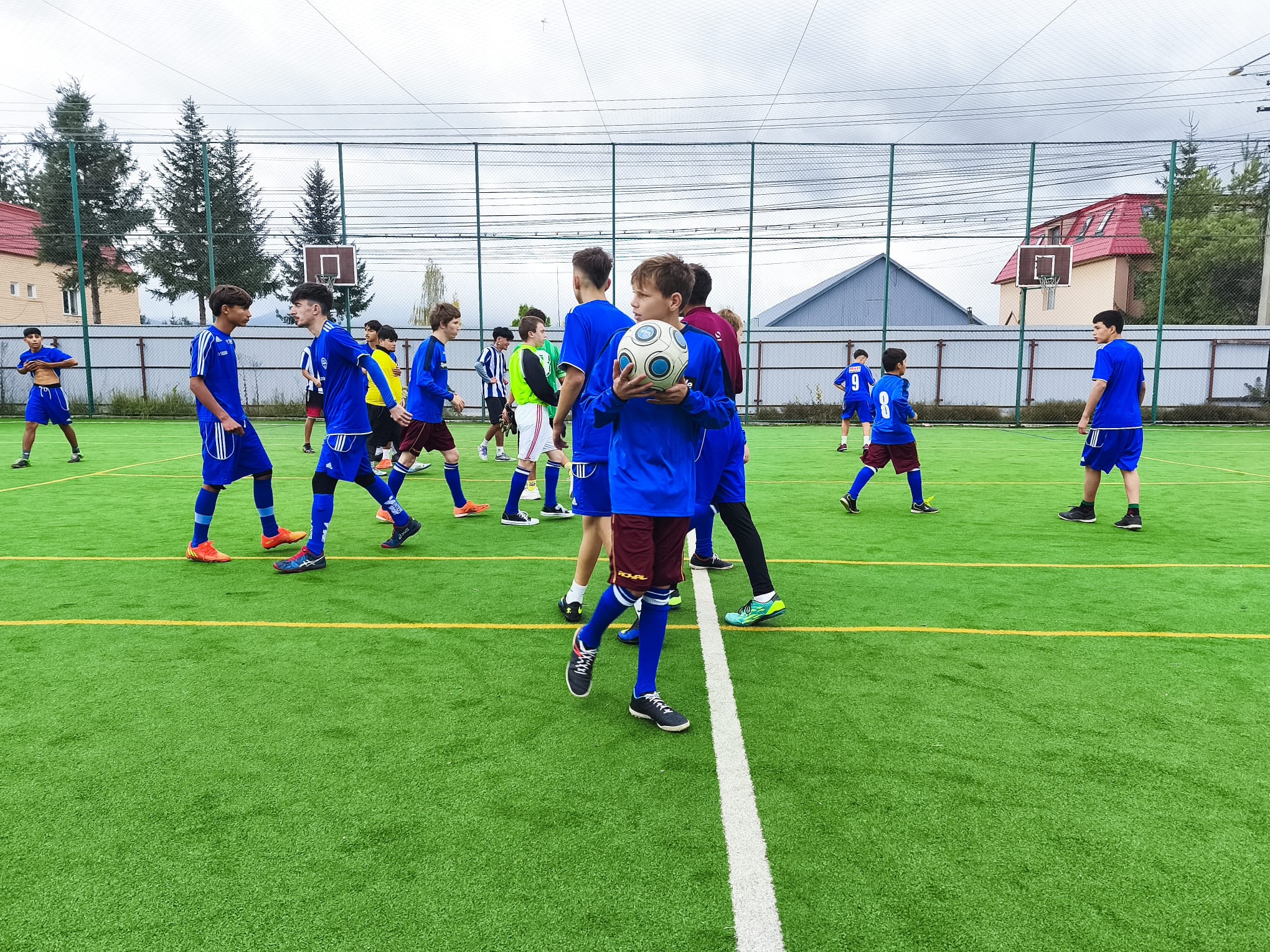
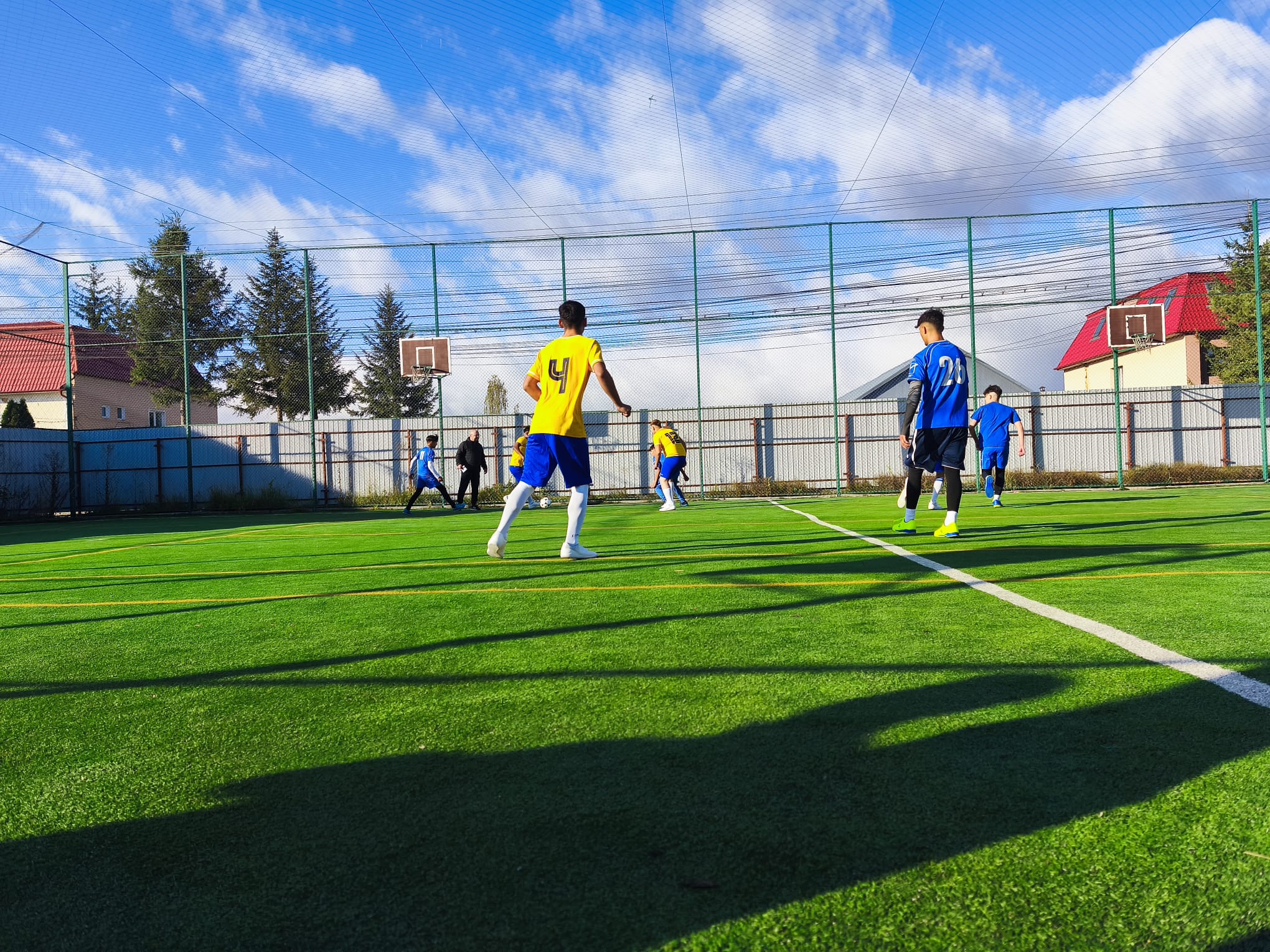
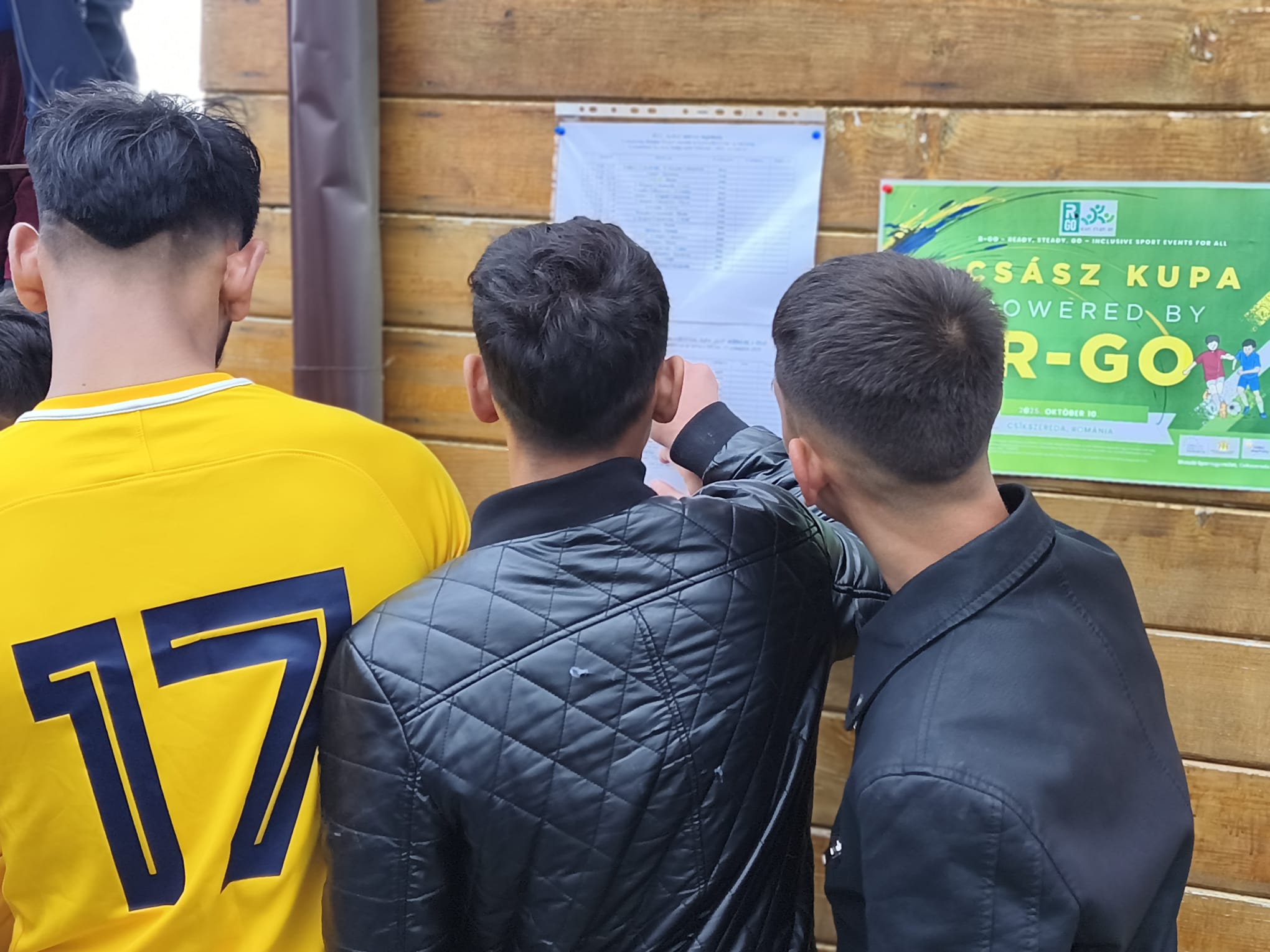
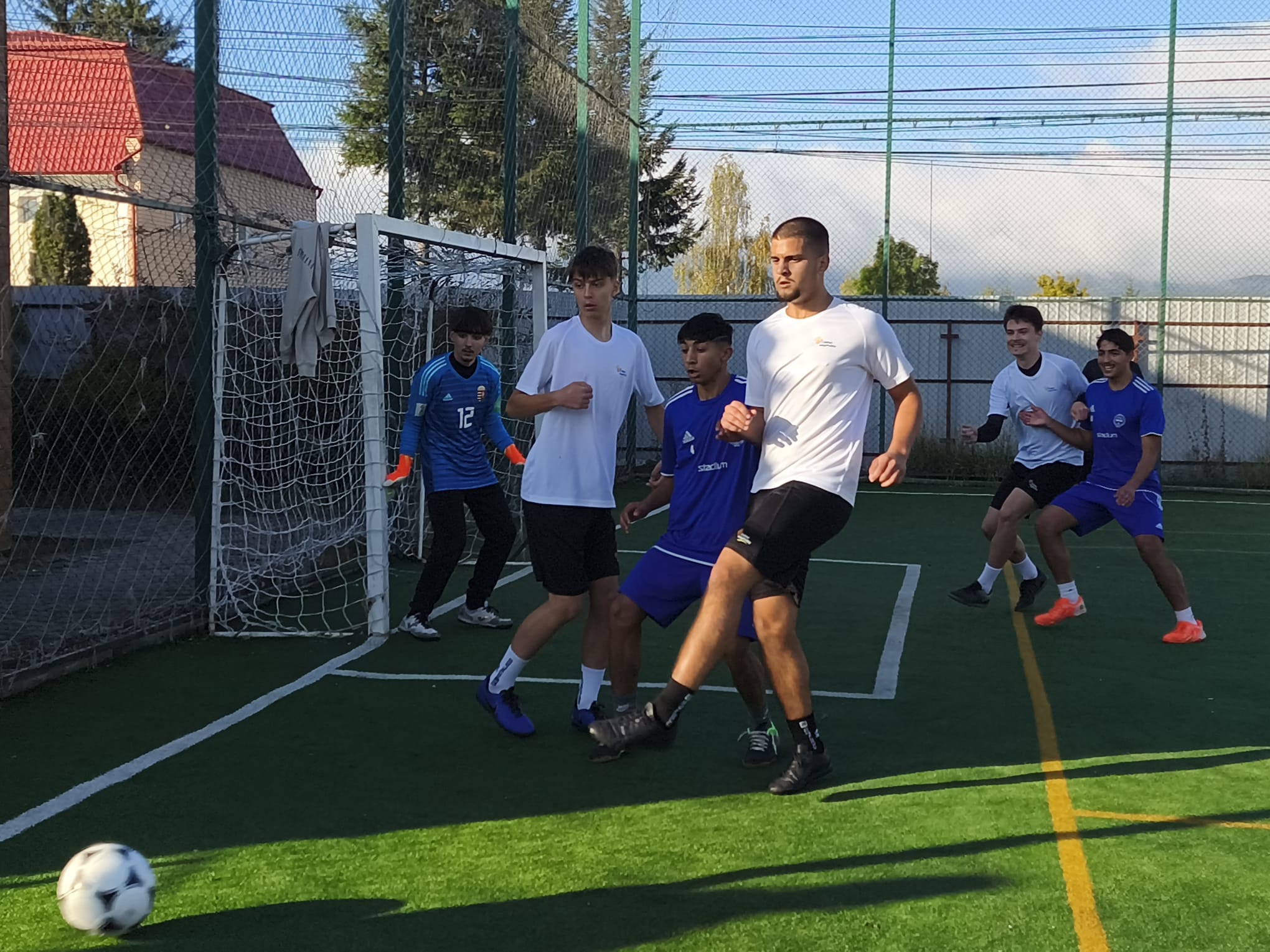
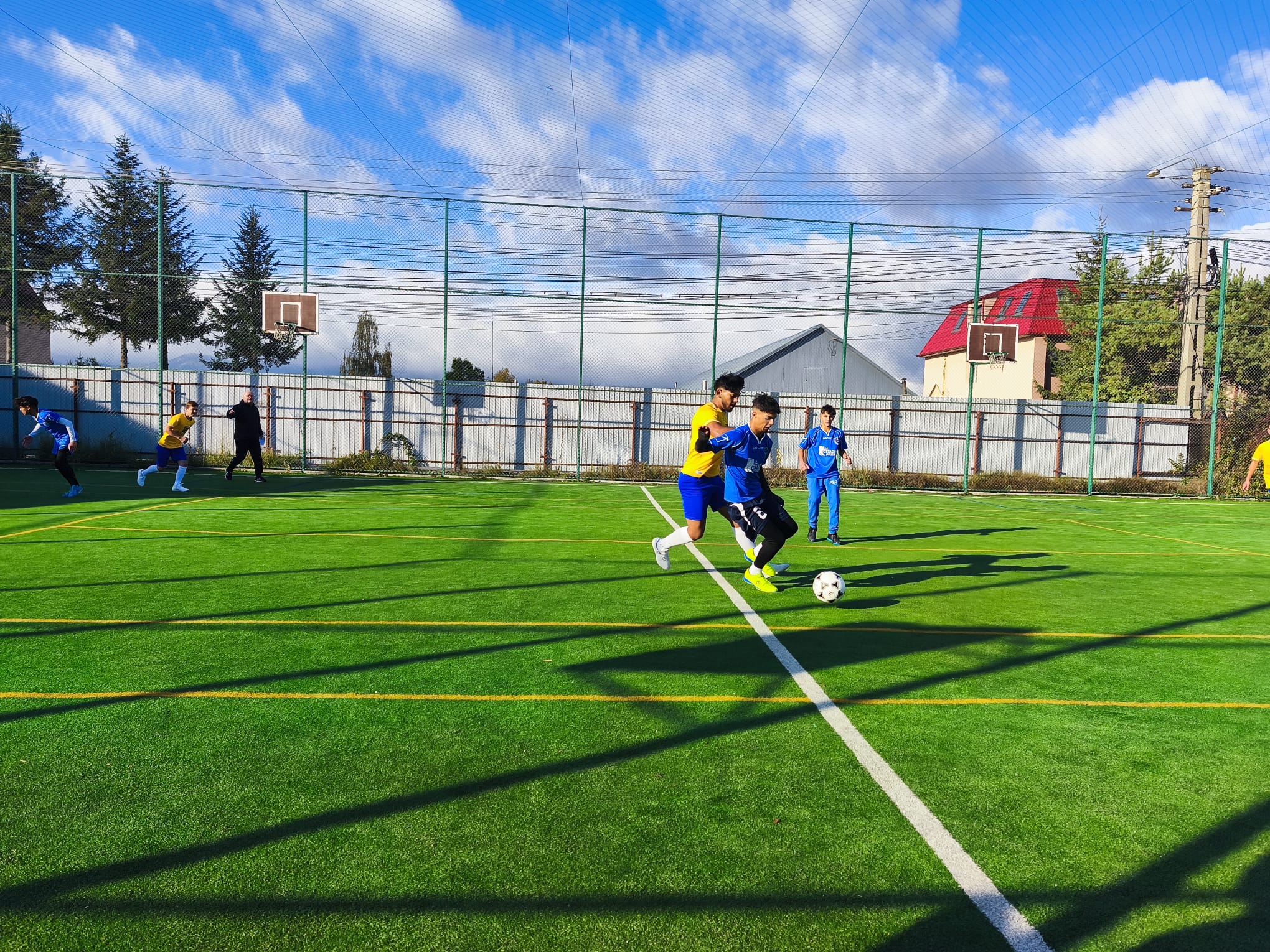
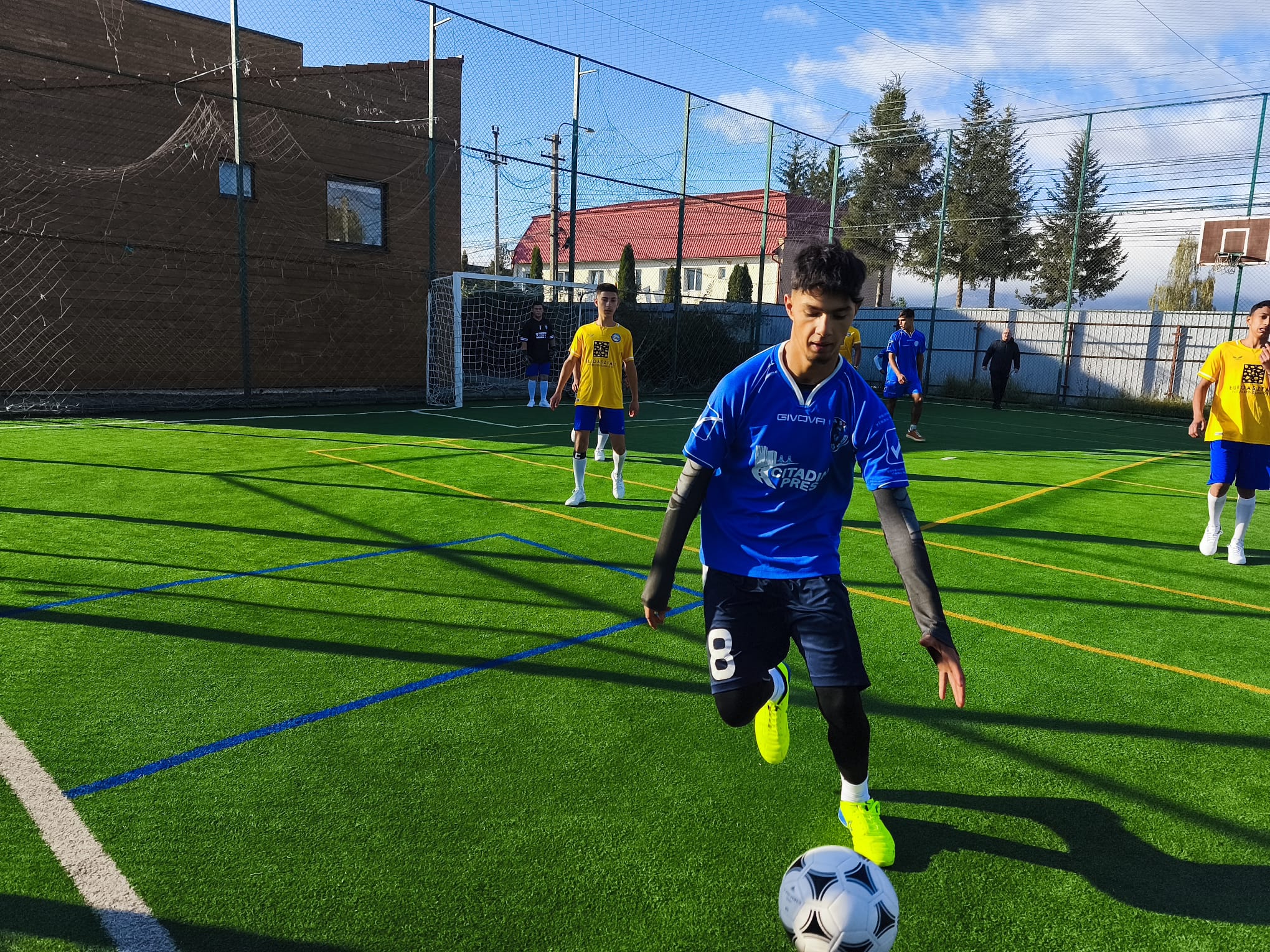
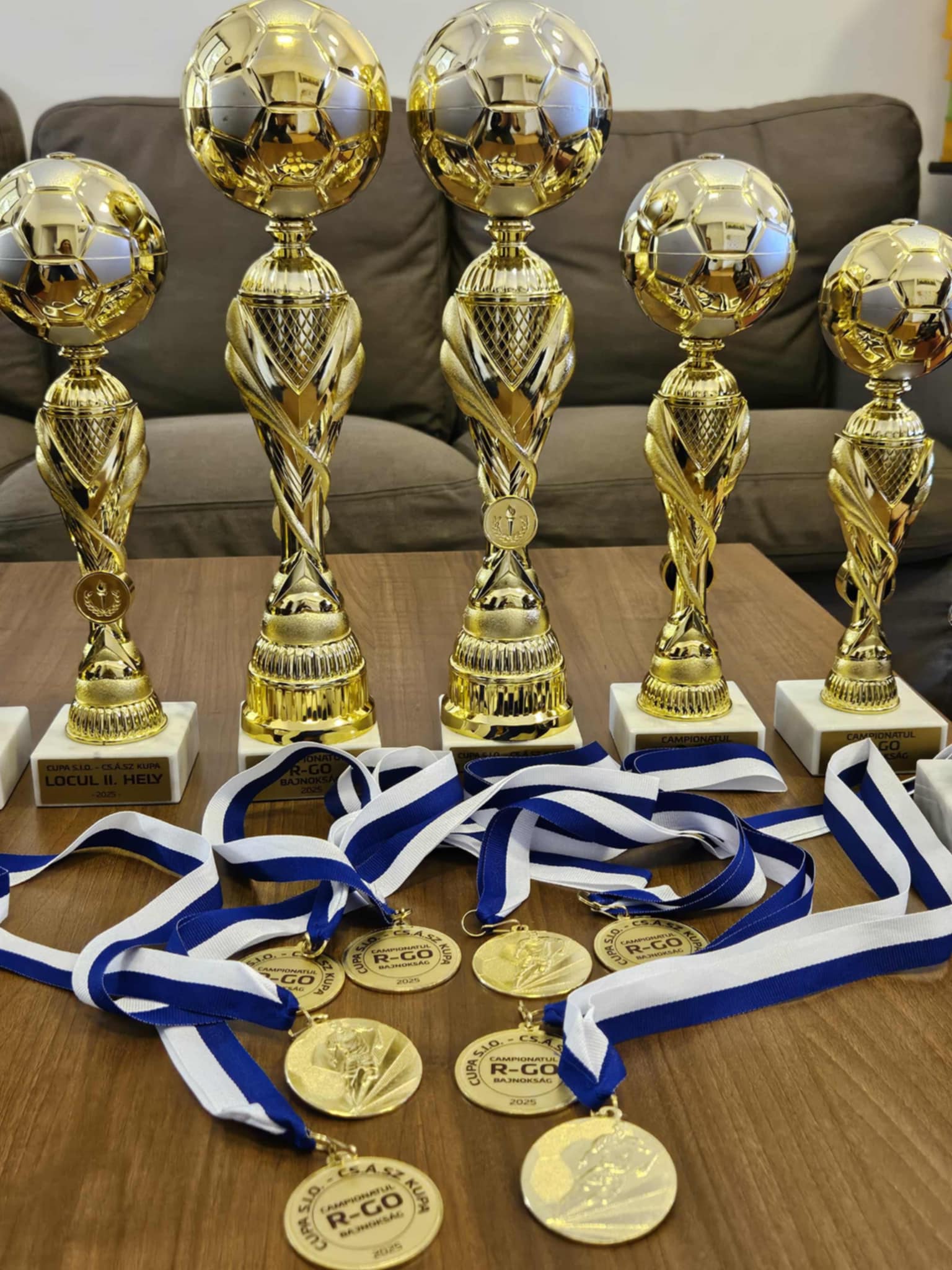
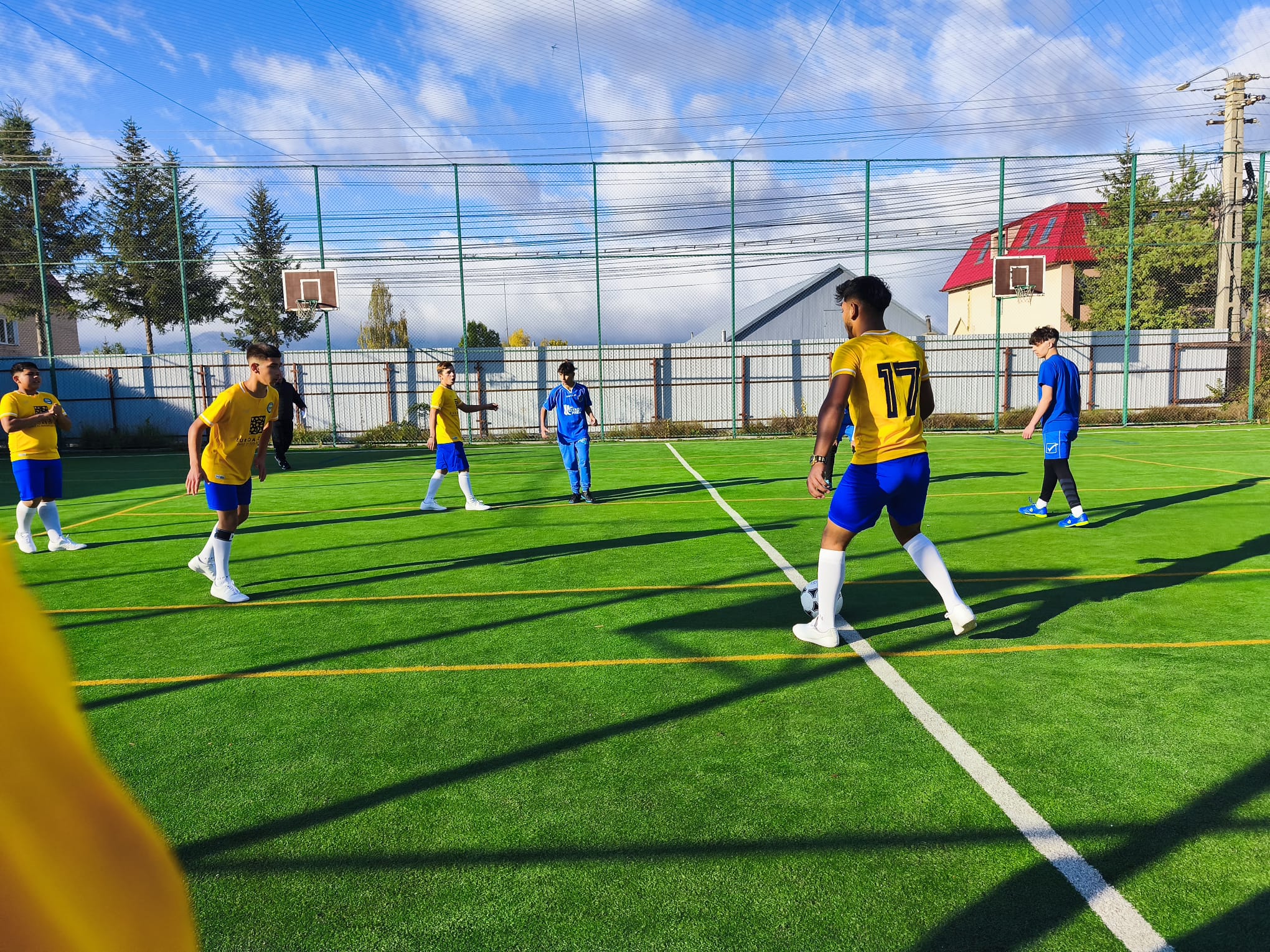
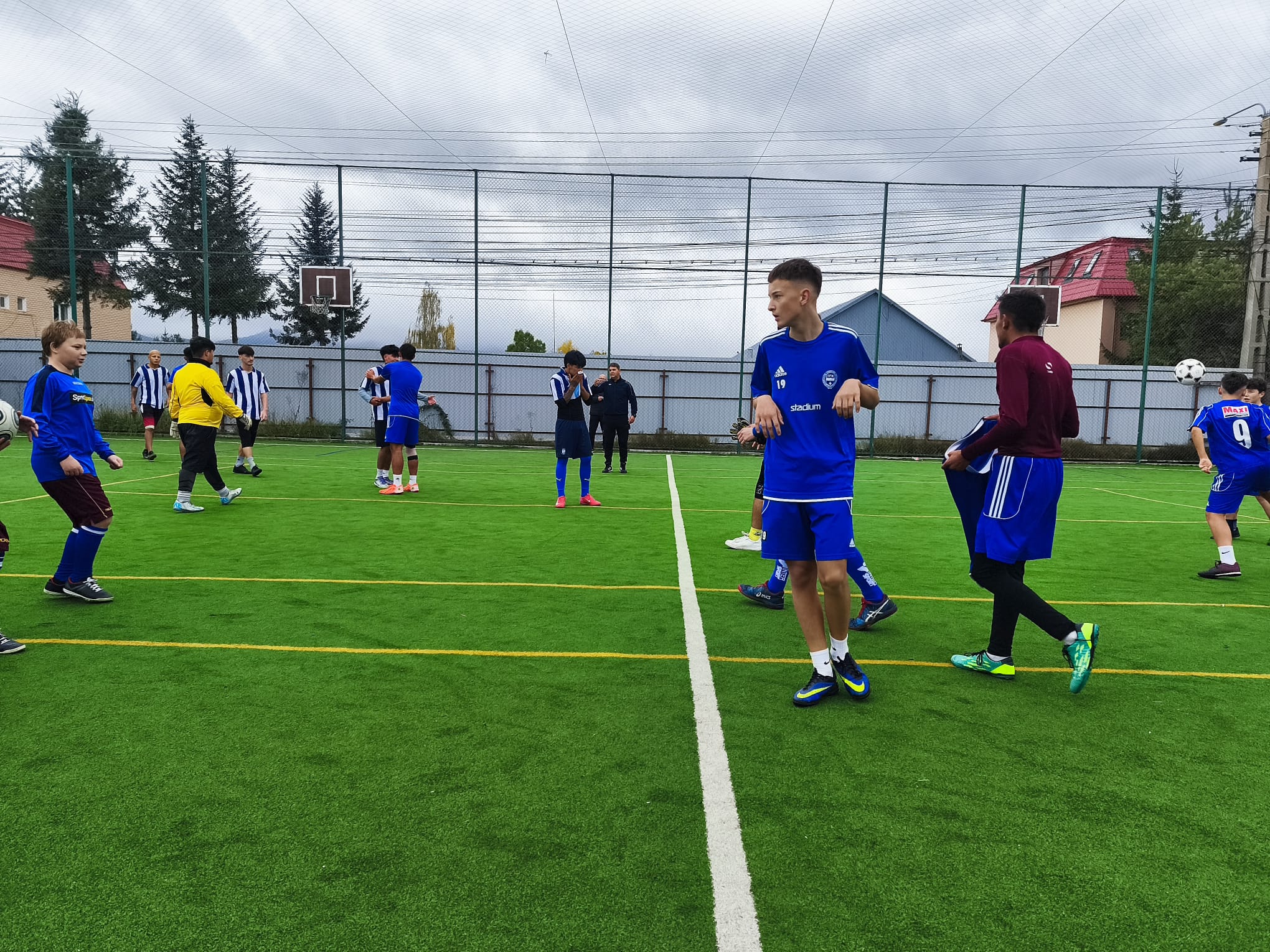
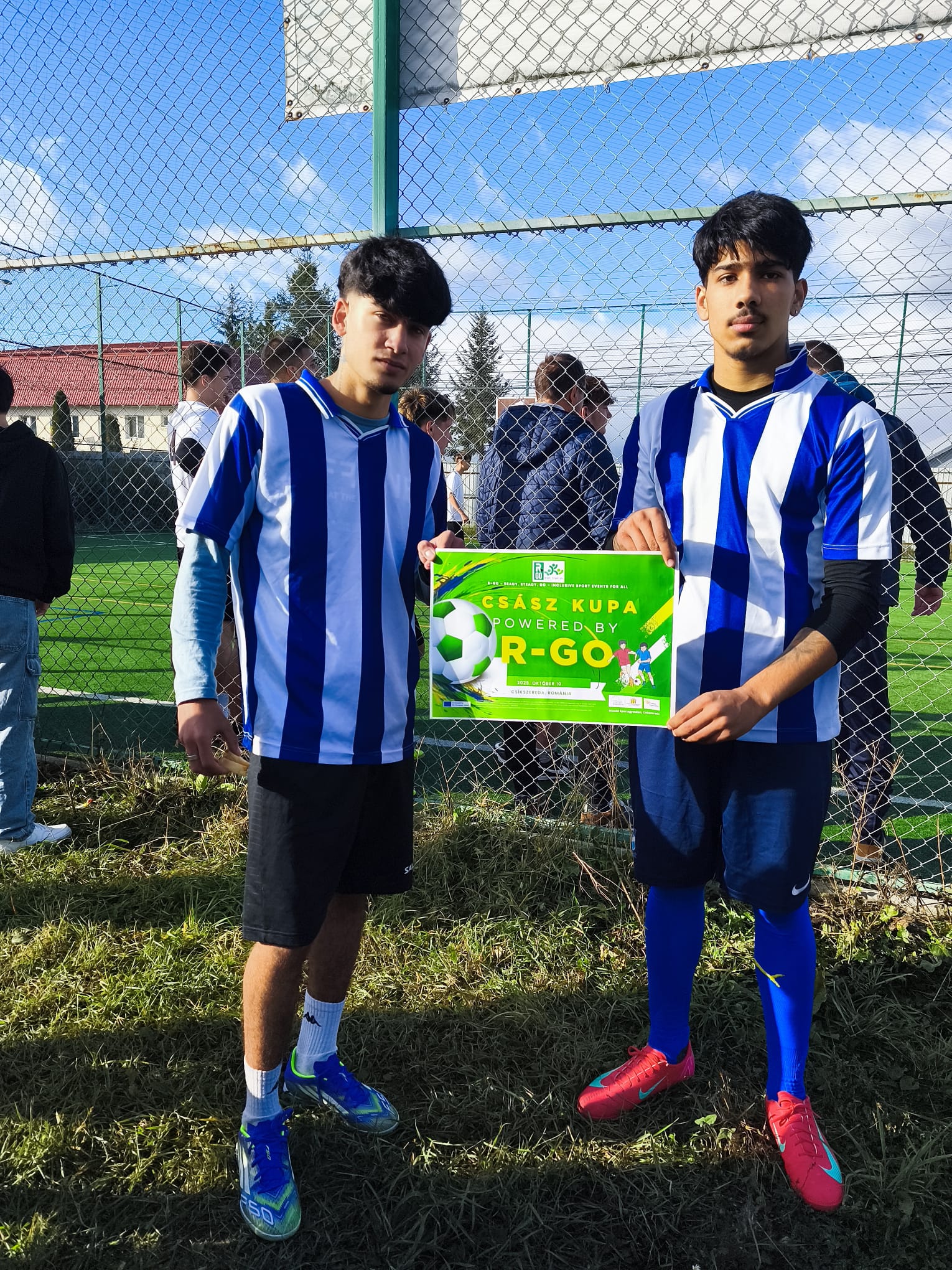
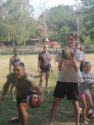
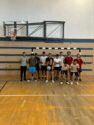
On 10th October 2025, Miercurea Ciuc, took place the International Football Championship – Powered by R-GO
International Football Championship–Powered by R-GO
International Football Championship for Disadvantaged Children and Youth
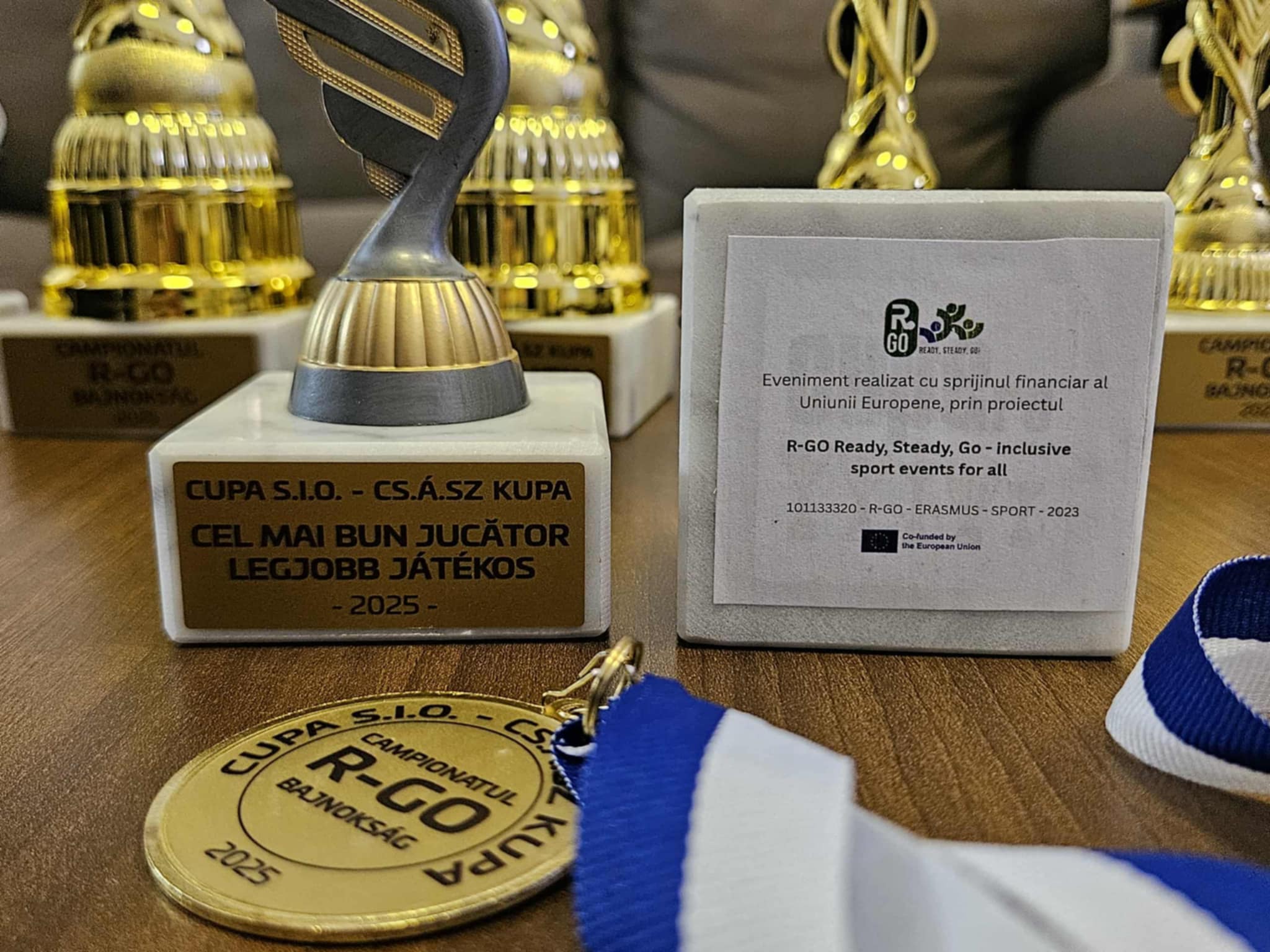
The sports event, held on Friday, October 10, was supported and powered by the EU-funded R-GO – Ready, Steady, Go – Inclusive Sport Events for All project, part of the Erasmus+ Erasmus Mundus Sport programme.
The event aimed to provide children and young people in care with meaningful opportunities to participate in sports, develop teamwork skills, and foster social inclusion.
Objectives
The primary objectives of the International Football Championship were:
- To provide a safe and inclusive sporting environment for children and youth in care.
- To encourage teamwork, resilience, and social skills through organized football activities.
- To facilitate cross-community engagement, including local and international participants.
- To showcase the practical implementation of inclusive sports initiatives under the R-GO project framework.
The championship took place on the multifunctional sports field of the Social Services Centre, located at 45 str. Progresului in Miercurea Ciuc. A total of nine teams participated in the competition.
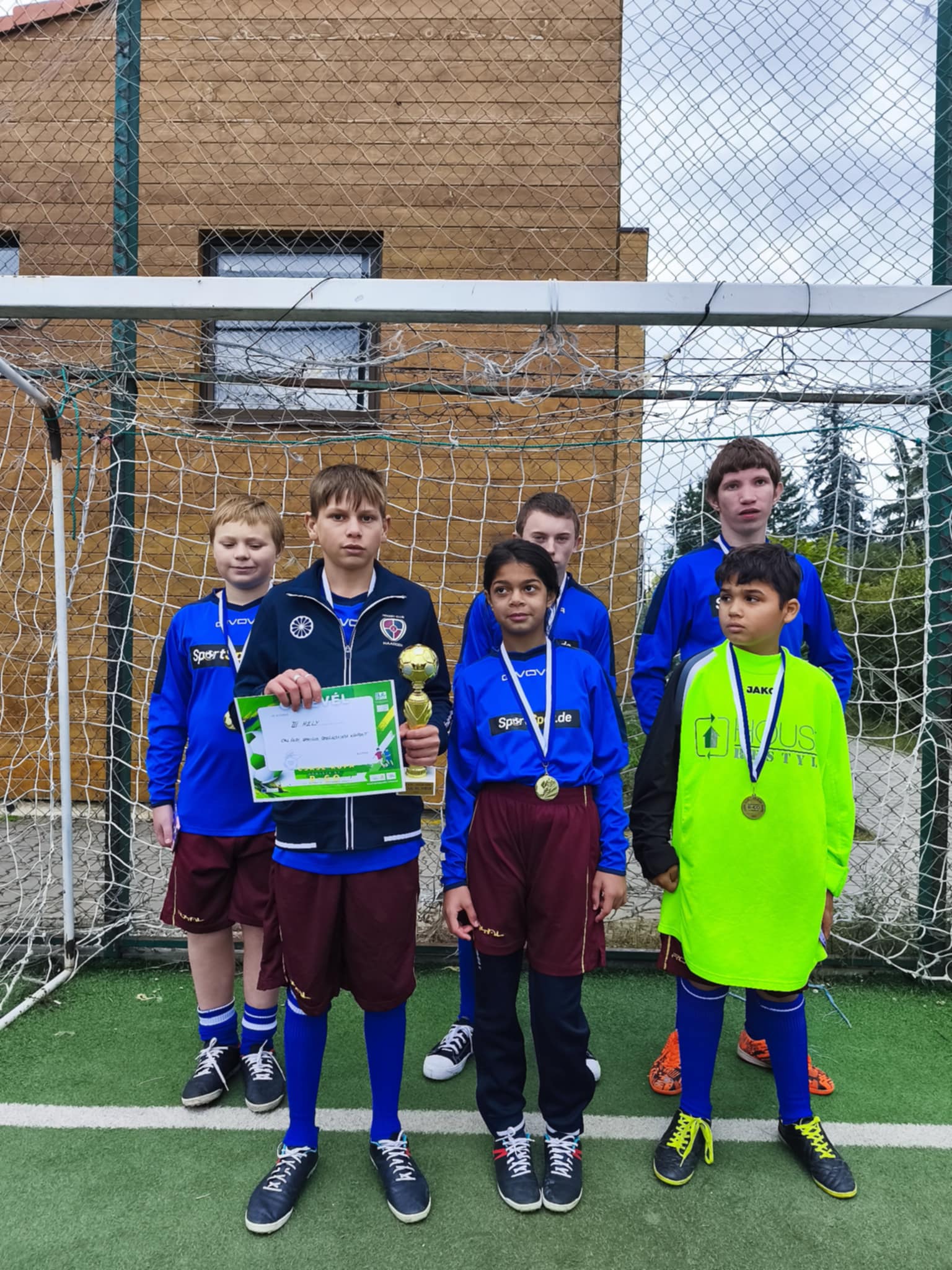
In the 10–14 age category, three teams competed — representing the Ocland Social Services Centre, the Family-Type Placement Centre No. 2 of Miercurea Ciuc, and the child protection system of Covasna County.
- Participants and Teams
A total of nine teams participated in the championship, divided into two age categories:
3.1. 10–14 Age Category
- Ocland Social Services Centre
- Family-Type Placement Centre No. 2, Miercurea Ciuc
- Child Protection System, Covasna County
3.2. 15–20 Age Category
- Family-Type Placement Centre No. 2, Hargita County
- Host team: Social Services Centre of Miercurea Ciuc
- Csíki Brazilok (children from the Roma community in Miercurea Ciuc, supported by the Right Association)
- One team from Covasna County child protection system
- One team from Mureș County child protection system
- Visiting team from Hungary: Csányi Foundation for Children
This diversity of participants highlighted both regional collaboration and cross-border engagement, providing young athletes with an enriching and inclusive sporting experience.
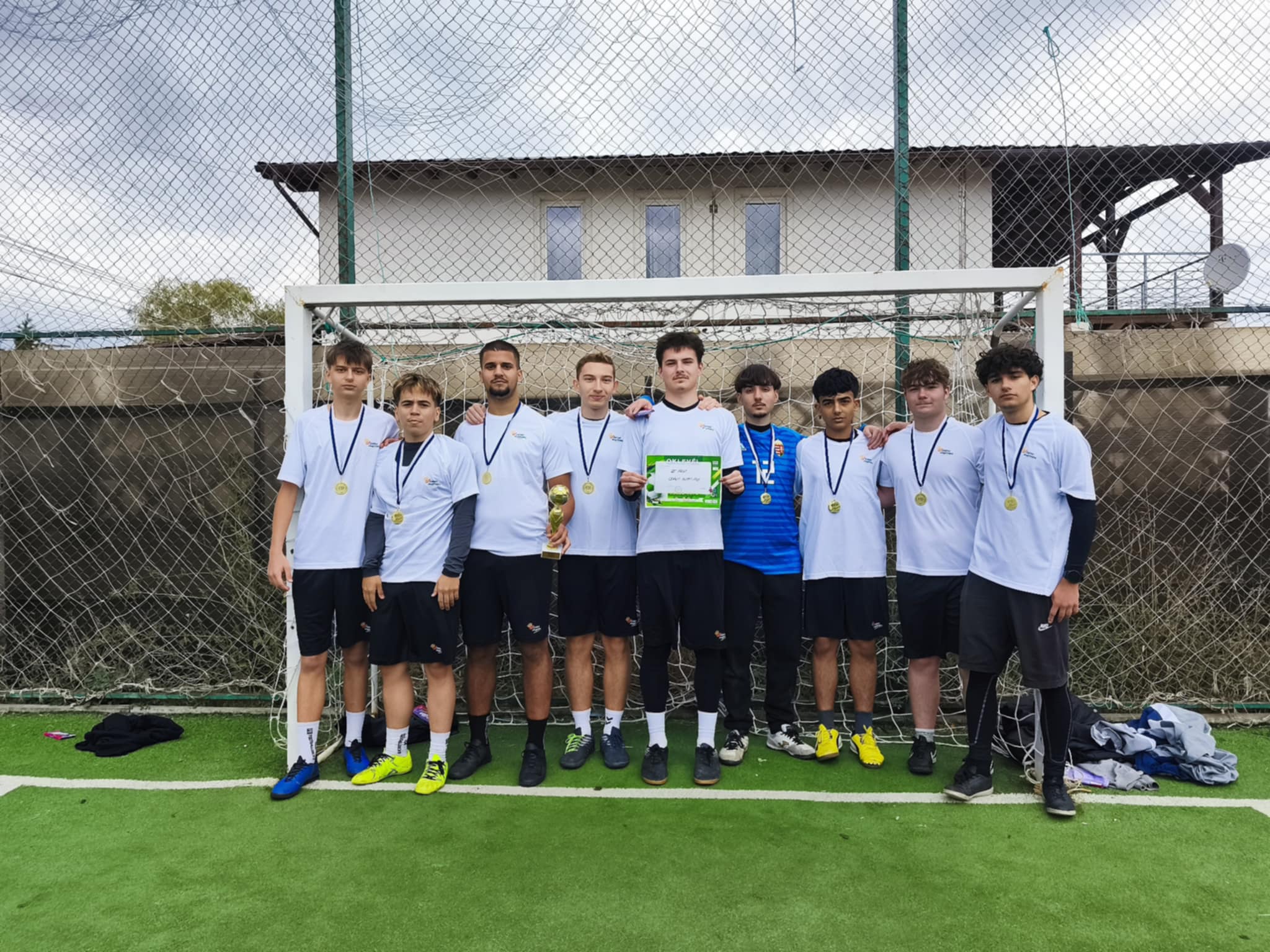
In the 15–20 age category, six teams took part: two from the Hargita County child protection system (the Family-Type Placement Centre No. 2 and the host team from the Social Services Centre of Miercurea Ciuc), as well as local teams such as the “Csíki Brazilok”, composed of children from the Roma community in Miercurea Ciuc supported by the Right Association.
The championship also featured one team each from the child protection systems of Covasna and Mureș counties, along with a visiting team from Hungary representing the Csányi Foundation for Children.
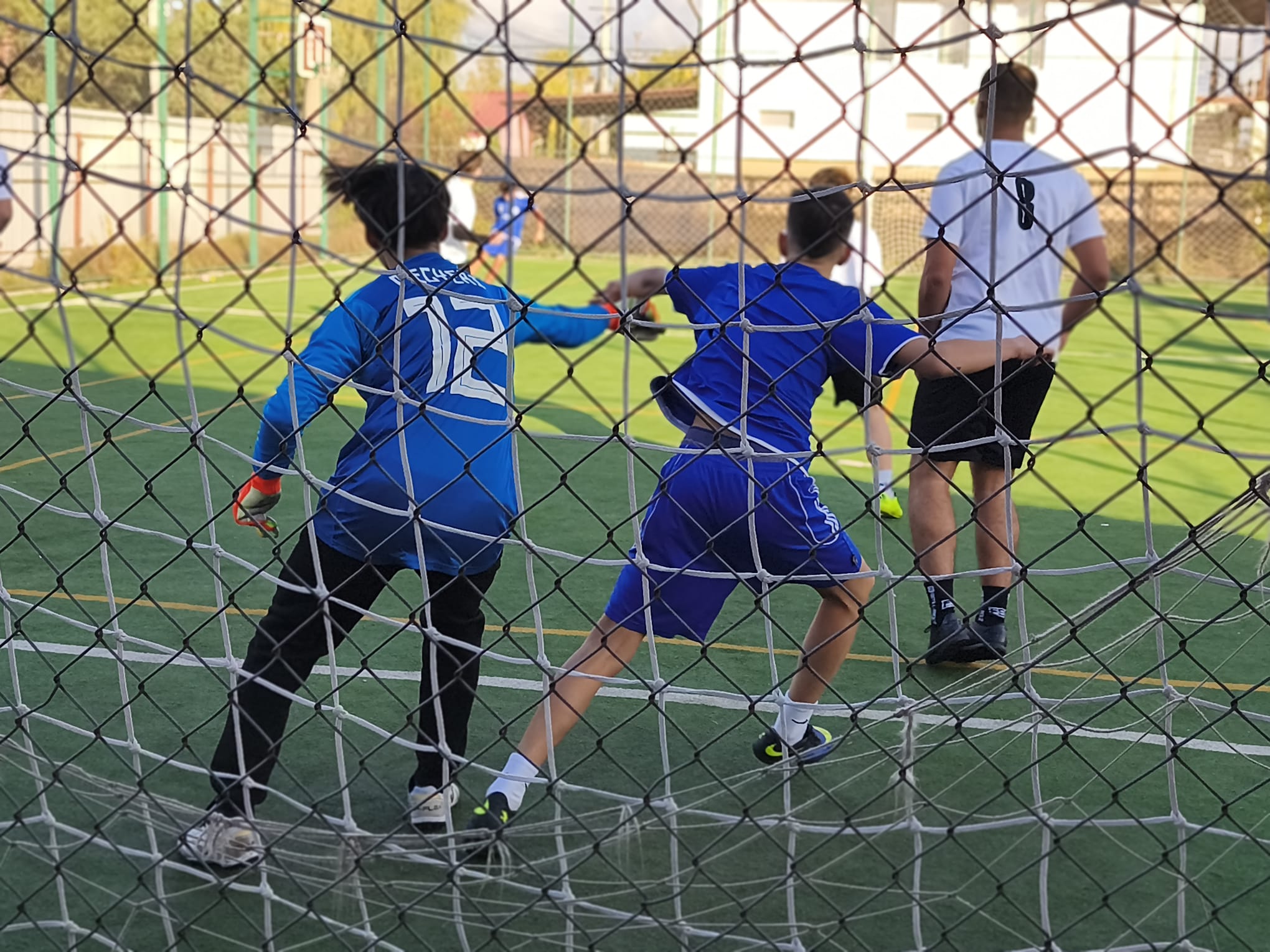
All matches were played in a 4+1 formation, with two substitute players allowed per team.
Results of the International Football Championship
Age group 10–14:
1st place: Team of the Covasna County Directorate of Social Assistance and Child Protection (DGASPC Covasna)
2nd place: Team of the Family-Type Placement Center No. 2, Miercurea Ciuc
3rd place: Team of the Ocland Social Services Center
Best player: Molnár Oszkár
Age group 15–20:
1st place: Team of the Miercurea Ciuc Social Services Center
2nd place: Team of the Mureș County Directorate of Social Assistance and Child Protection (DGASPC Mureș)
3rd place: Team of the Csányi Foundation for Children
4th place: Team of DGASPC Covasna
5th place: Team of the Family-Type Placement Center No. 2, Miercurea Ciuc
6th place: Team “Csíki Brazilok”
Best player: Moisanu Claudiu
The 13th CSÁSZ Cup – Supported by the R-GO Project
Mini-football Championship for Disadvantaged Children and Young People
Organized by the Miercurea Ciuc Social Services Center, part of the Harghita County Directorate of Social Assistance and Child Protection, the “Csodálatos az árva szeretete – CSÁSZ” (“Wonderful is the Love of the Orphan”) mini-football championship reached its 13th edition this year. The event is one of the most beloved activities among the children and young people supported by the institution.
The competition, held on Friday, October 10, was supported this year by the European project R-GO – Ready, Steady, Go – Inclusive Sport Events for All, implemented under the Erasmus Mundus Sport (Erasmus+) program of the Harghita County Directorate of Social Assistance and Child Protection.
As in previous years, the tournament took place on the multi-purpose sports field of the Miercurea Ciuc Social Services Center, located at 45 Haladás Street. In total, nine teams registered for the competition.
Age group 10–14
Three teams competed in this category:
- The Ocland Social Services Center
- The Family-Type Placement Center No. 2, Miercurea Ciuc
- The team representing the child protection system of Covasna County
Age group 15–20
Six teams took part in this category:
- Two teams from the Harghita County child protection system (the Family-Type Placement Center No. 2 and the host, the Miercurea Ciuc Social Services Center)
- The “Csíki Brazilok” team, made up of children from the Roma community in Miercurea Ciuc, supported by the Right Association
- A team from DGASPC Covasna
- A team from DGASPC Mureș
- The Csányi Foundation for Children team from Hungary
The matches were played in a 4+1 formation, with two substitute players allowed.
Nemzetközi labdarúgó-bajnokság – RGO támogatásával
A Hargita Megyei Szociális és Gyermekvédelmi Vezérigazgatósághoz tartozó Csíkszeredai Szociális Szolgáltatási Központ szervezésében idén XIII-ik alkalommal kerül sor a gyermekeink és fiataljaink által egyik legkedveltebb rendezvényre, a CSODÁLATOS AZ ÁRVA SZERETETE – CSÁSZ nevet viselő minifoci bajnokságra.
A pénteken, október 10-én zajló sporteseményt idén a vezérigazgatóság EU-s pályázata, az R-GO – Ready, Steady, Go – inclusive sport events for all elnevezésű, Erasmus + programhoz tartozó Erasmus+ Sport projekt erősíti.
A bajnokság idén is, akárcsak az elmúlt években, a Szociális Szolgáltatási Központ multifunkcionális sportpályáján, a Haladás utca 45 szám alatt zajlik. A megmérettetésre összesen 9 csapat jelentkezett.
A 10–14 éves korosztályban három csapat fogja összemérni erejét, ők az Oklándi Szociális Szolgáltatási Központból, a Csíkszeredai 2-es Számú Családi típusú Elhelyező Központból és a Kovászna megyei gyermekvédelmi rendszerből érkeznek.
A 15-20 éves korosztályban 6 csapat jelezte részvételét: a megyei gyermekvédelmi rendszer 2 csapata (a Csíkszeredai 2-es Számú Családi típusú Elhelyező Központ és a házigazda, a Csíkszeredai Szociális Szolgáltatási Központ) mellett a helyi csapatokat idén a Right Egyesület által támogatott csíkszeredai cigánytelepen élő gyermekek, a Csíki Brazilok csapata is erősíti.
Mint az eddigi években, a bajnokságon idén is részt vesz a Kovászna és a Maros megyei gyermekvédelmi rendszer 1-1 csapata, valamint a magyarországi Csányi Alapítvány a Gyermekekért csapata is.
A mérkőzések 4+1 felállásban, +2 cserejátékossal zajlanak.
A XIII-IK CSÁSZ KUPA eredményei:
A 10–14 éves korosztályban:
- hely: a Kovászna Megyei Szociális és Gyermekvédelmi Vezérigazgatóság csapata
- hely: a Csíkszeredai 2-es Számű Családi Típusú Elhelyező Központ csapata
- hely: az Oklándi Szociális Szolgáltatási Központ csapata
Legjobb játékos: Molnár Oszkár
A 15-20 éves korosztályban:
1 hely: a Csíkszeredai Szociális Szolgáltatási Központ csapata
- hely: a Maros Megyei Szociális és Gyermekvédelmi Vezérigazgatóság csapata
- hely: a Csányi Alapítvány a Gyermekekért csapata
- hely: a Kovászna Megyei Szociális és Gyermekvédelmi Vezérigazgatóság csapata
- hely: a Csíkszeredai 2-es Számű Családi Típusú Elhelyező Központ csapata
- hely: Csíki Brazilok csapata
Legjobb játékos: Moisanu Claudiu
XIII-IK CSÁSZ KUPA AZ R-GO PROJEKT ÁLTAL ERŐSÍTVE
Minifoci bajnokság a hátrányos helyzetben élő gyermekek és fiatalok számára
Campionatul internațional de fotbal – Susținut de RGO
Ediția a XIII-a – a Cupei CSÁSZ, susținută de proiectul R-GO
Campionatul de fotbal a avut loc vineri, 10 octombrie 2025, pe terenul sportiv multifuncțional al centrului, situat pe strada Progresului nr. 45, în Miercurea Ciuc.
Ediția din acest an a fost susținută prin proiectul european R-GO – Ready, Steady, Go – Inclusive Sport Events for All, finanțat prin programul Erasmus+ (componenta Erasmus Sport).
Scopul evenimentului a fost oferirea unor oportunități reale de participare la activități sportive pentru copiii și tinerii aflați în îngrijire, promovând incluziunea socială, dezvoltarea personală și colaborarea între comunități.
Obiectivele principale ale ediției a XIII-a au fost:
- Asigurarea unui mediu sportiv sigur și incluziv pentru copiii și tinerii din sistemul de protecție.
- Dezvoltarea spiritului de echipă, a rezilienței și a competențelor sociale prin activități organizate de fotbal.
- Facilitarea interacțiunii între comunități, inclusiv la nivel internațional.
- Ilustrarea aplicării practice a principiilor sportului incluziv în cadrul proiectului R-GO.
Participanți și echipe
La competiție au participat nouă echipe, împărțite în două categorii de vârstă.
3.1. Categoria 10–14 ani
- Centrul de Servicii Sociale Ocland
- Centrul de Plasament de Tip Familial nr. 2 Miercurea Ciuc
- Sistemul de Protecție a Copilului Covasna
3.2. Categoria 15–20 ani
- Centrul de Plasament de Tip Familial nr. 2, județul Harghita
- Echipa gazdă – Centrul de Servicii Sociale Miercurea Ciuc
- „Csíki Brazilok” – copii din comunitatea romă din Miercurea Ciuc, sprijiniți de Asociația Right
- O echipă din sistemul de protecție a copilului Covasna
- O echipă din sistemul de protecție a copilului Mureș
- Echipa invitată din Ungaria – Fundația Csányi pentru Copii
Diversitatea echipelor a evidențiat atât colaborarea regională, cât și dimensiunea transfrontalieră a evenimentului, oferind participanților o experiență sportivă complexă și incluzivă.
Rezultatele competiției
Categoria 10–14 ani
- Locul I: DGASPC Covasna
- Locul II: Centrul de Plasament de Tip Familial nr. 2 Miercurea Ciuc
- Locul III: Centrul de Servicii Sociale Ocland
- Cel mai bun jucător: Oszkár Molnár
Categoria 15–20 ani
- Locul I: Centrul de Servicii Sociale Miercurea Ciuc
- Locul II: DGASPC Mureș
- Locul III: Fundația Csányi pentru Copii (Ungaria)
- Locul IV: DGASPC Covasna
- Locul V: Centrul de Plasament de Tip Familial nr. 2 Miercurea Ciuc
- Locul VI: Csíki Brazilok
- Cel mai bun jucător: Claudiu Moisanu
Formatul competiției
Meciurile s-au desfășurat în sistem 4+1 (patru jucători de câmp și un portar).
Fiecare echipă a avut dreptul la doi jucători de rezervă.
Competiția a pus accent pe incluziune, spirit de echipă și dezvoltare personală, nu exclusiv pe rezultat.
Momente relevante
Campionatul s-a remarcat prin:
- Meciuri competitive, desfășurate într-un climat de fair-play și respect reciproc.
- Dezvoltarea abilităților fizice și sociale: comunicare, cooperare, perseverență.
- Interacțiune între copii din centre de protecție, comunități minoritare și participanți internaționali.
- Un cadru organizatoric sigur, adaptat nevoilor tuturor participanților.
Impact și rezultate
Ediția a XIII-a a CUPEI CSÁSZ a atins obiectivele propuse:
- Incluziune: Copiii din medii defavorizate au beneficiat de acces echitabil la activități sportive structurate.
- Dezvoltare de competențe: Participanții și-au consolidat abilitățile fizice, capacitatea de lucru în echipă, încrederea în sine și rezolvarea de probleme.
- Integrare socială: Evenimentul a consolidat relațiile între participanți din diferite județe și țări.
- Vizibilitate: Campionatul a demonstrat impactul concret al proiectului R-GO în sprijinirea tinerilor din sistemul de protecție.
Feedbackul primit a evidențiat creșterea sentimentului de apartenență, mândrie și reușită în rândul participanților.
Rolul proiectului R-GO
Proiectul R-GO a avut un rol esențial prin:
- Susținerea financiară și logistică a evenimentului.
- Promovarea practicilor sportive incluzive.
- Consolidarea colaborării transfrontaliere între instituțiile din Ungaria și județul Harghita.
Parteneriatul confirmă impactul pozitiv al inițiativelor europene asupra comunităților locale.
Ediția a XIII-a a CSÁSZ CUP a demonstrat încă o dată că sportul incluziv reprezintă un instrument puternic de coeziune socială, dezvoltare personală și împuternicire a copiilor și tinerilor din sistemul de protecție.
Prin îmbinarea competiției structurate cu implicarea comunitară și colaborarea internațională, campionatul a oferit un cadru motivant și sigur pentru toți participanții.
Prin sprijinul constant al proiectului R-GO și al instituțiilor locale, Direcția Generală de Asistență Socială și Protecția Copilului Harghita își consolidează angajamentul pentru promovarea incluziunii, egalității și bunăstării prin sport.
Gallery/ Gáleria/ Galerie foto

Final Conference
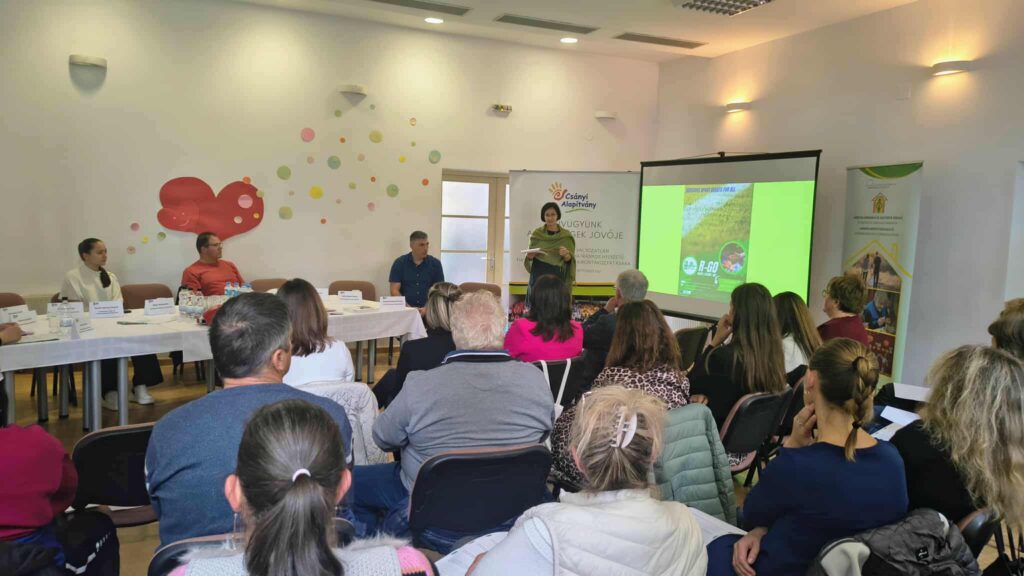
9th October 2025, Miercurea Ciuc
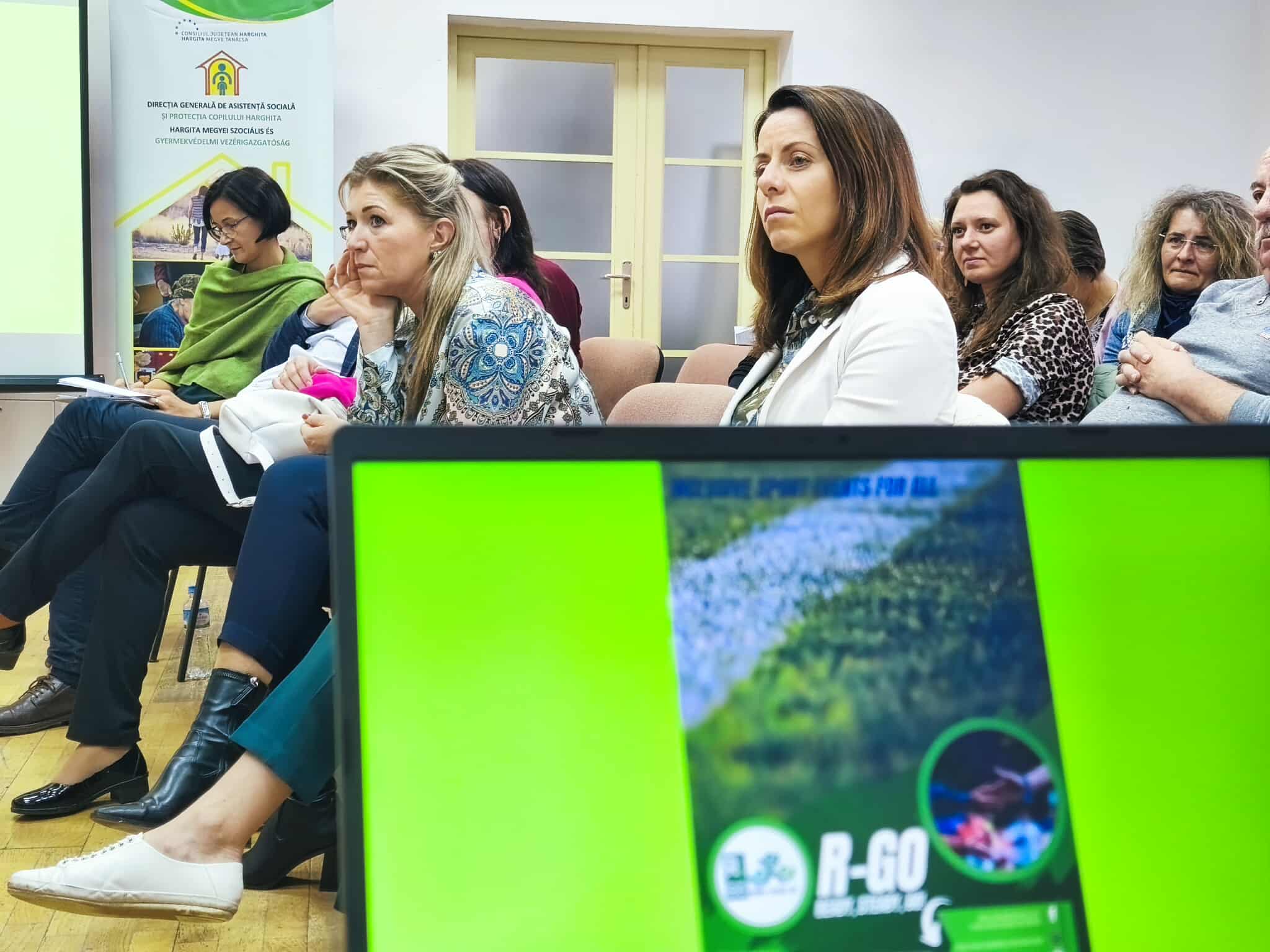
Final Conference - Roundtable discussion
Roundtable Discussion within the Framework of the R-GO – Ready, Steady, Go – Inclusive Sport Events for All Project
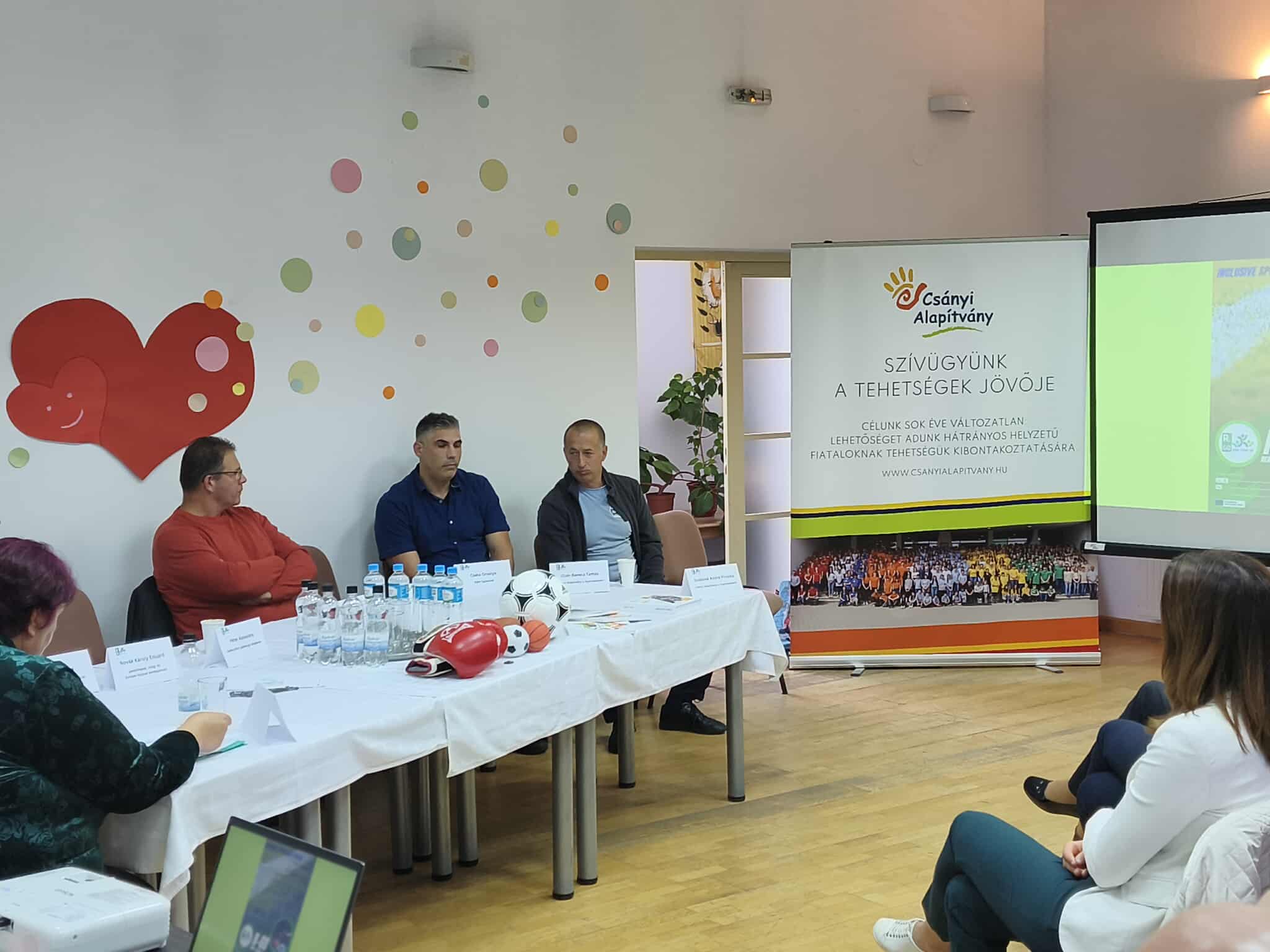
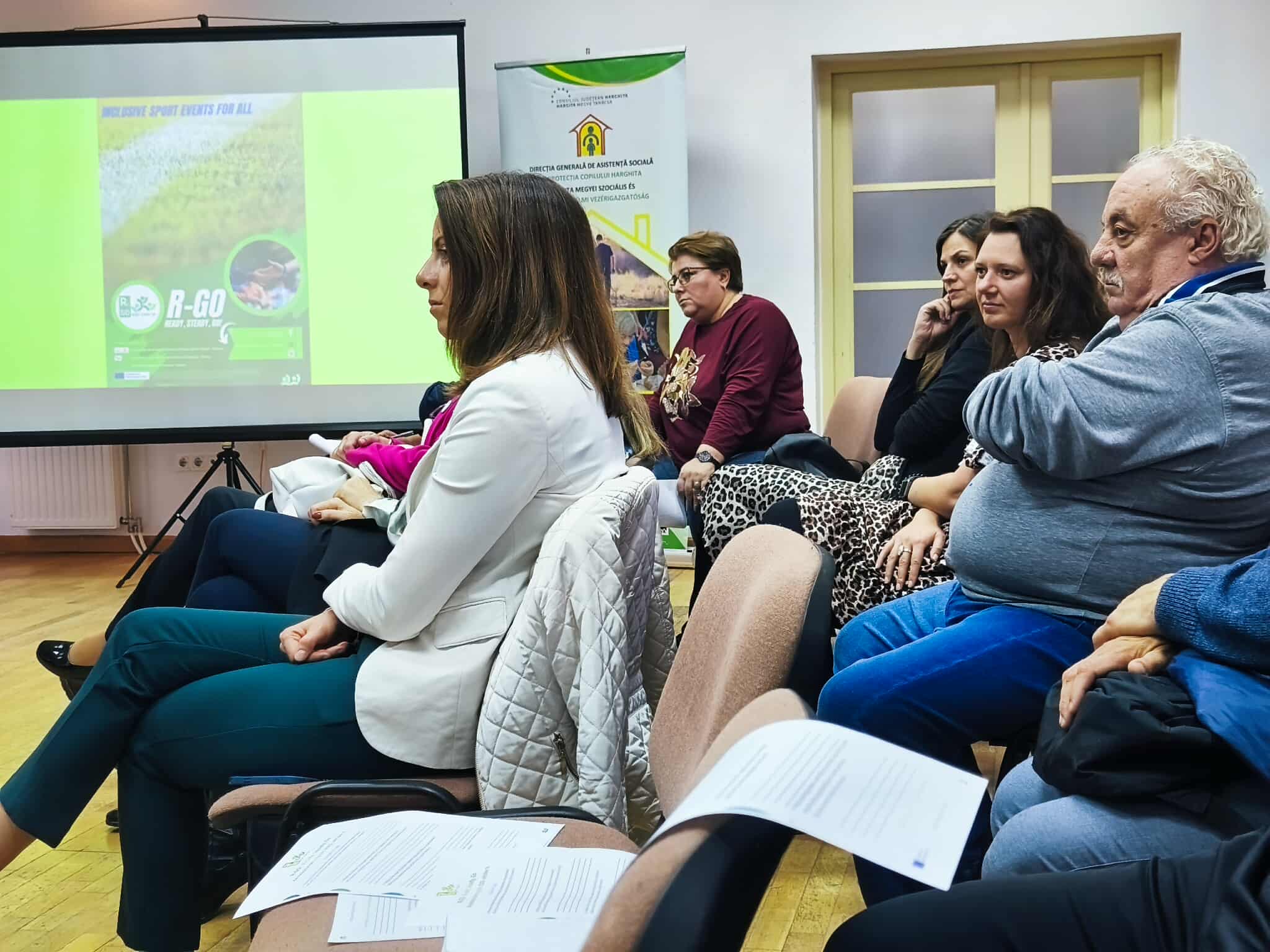
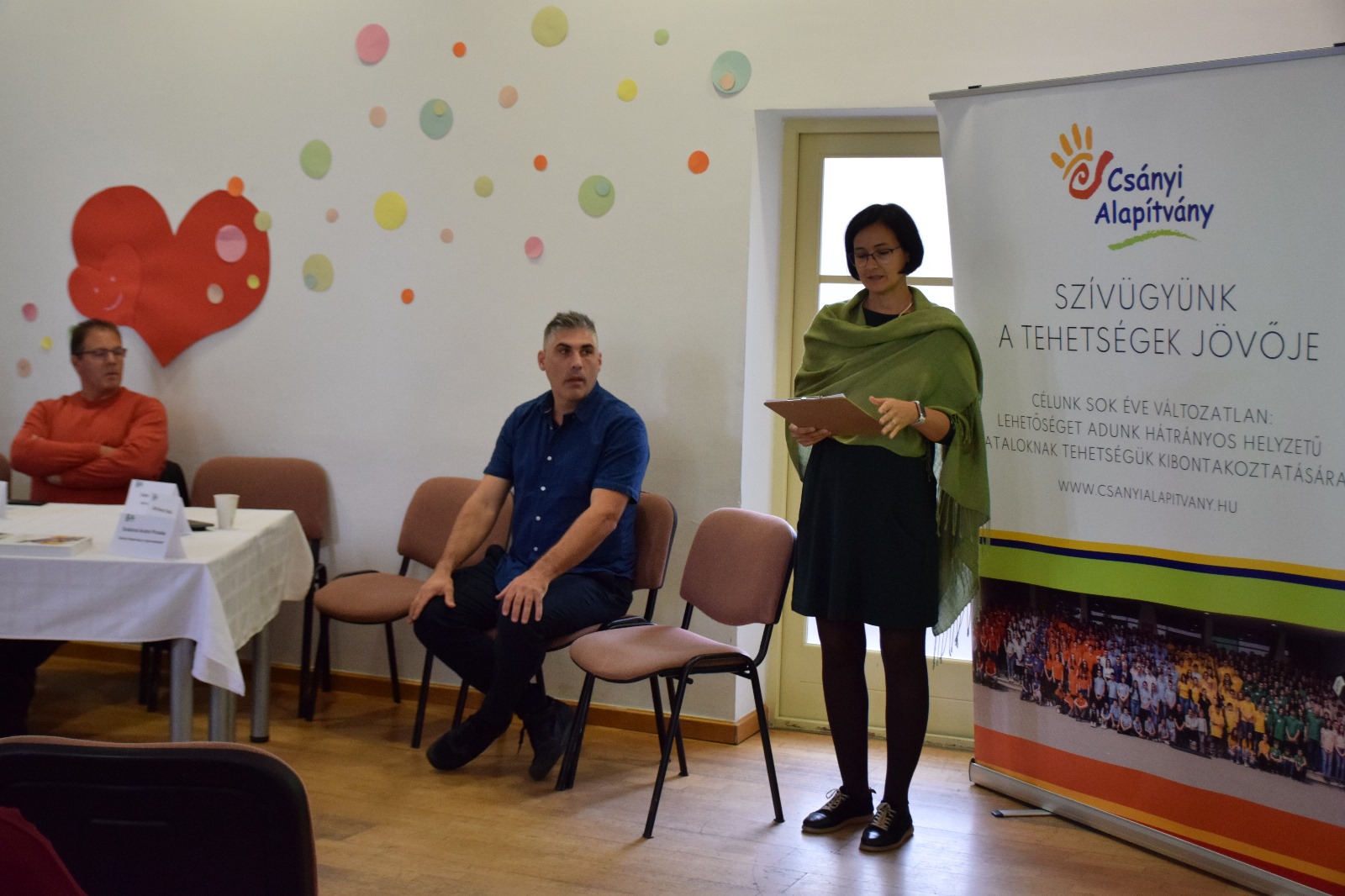
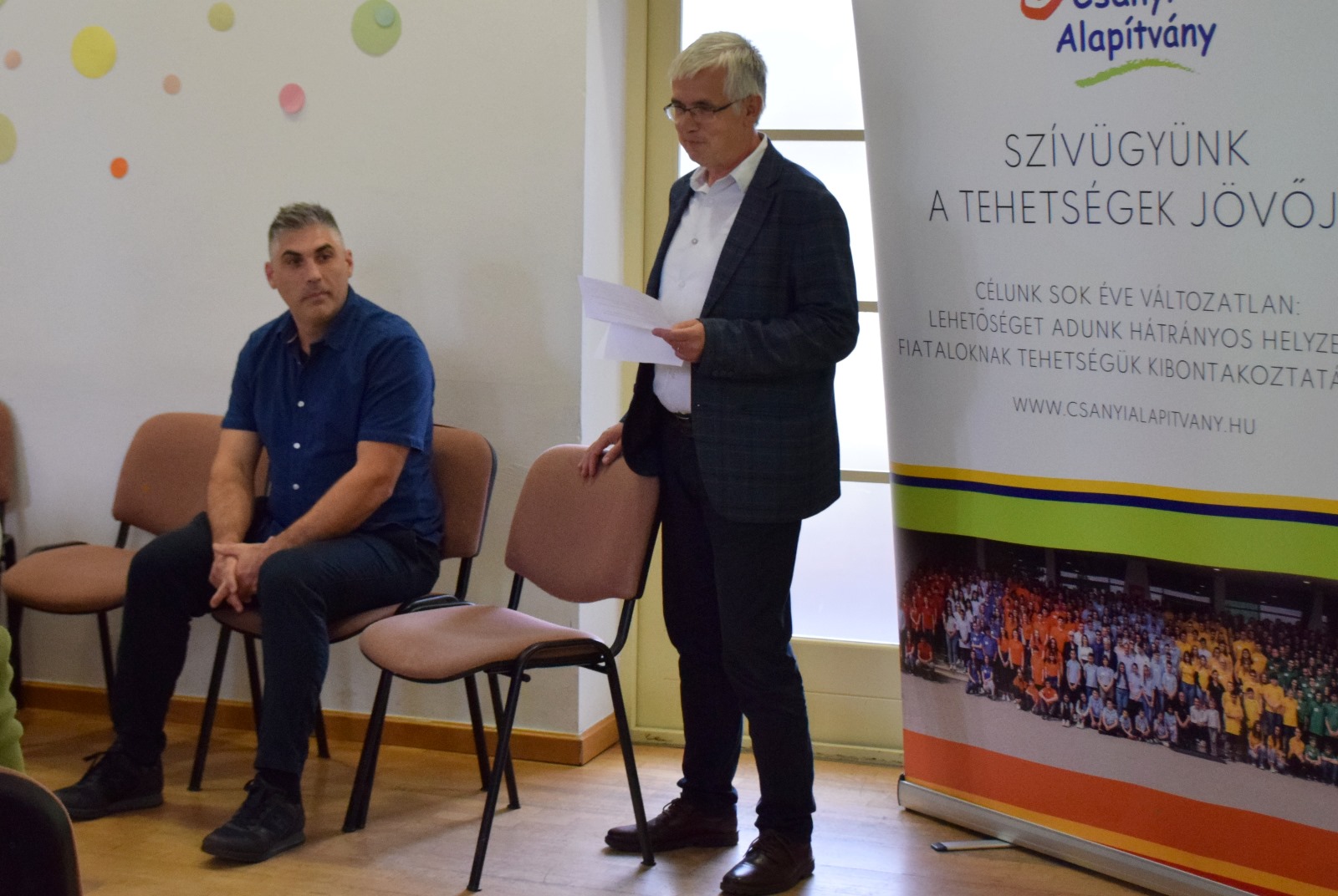
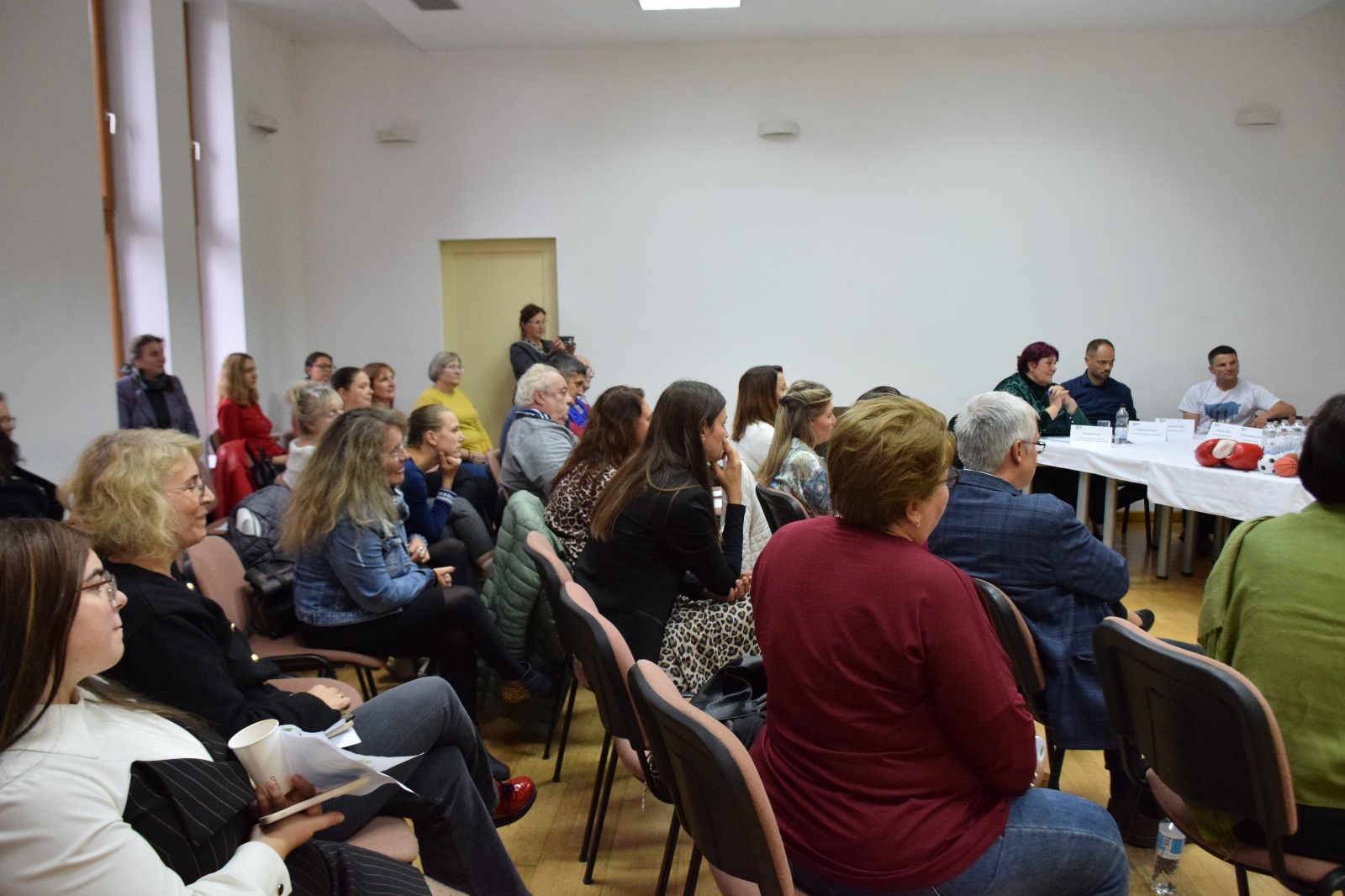
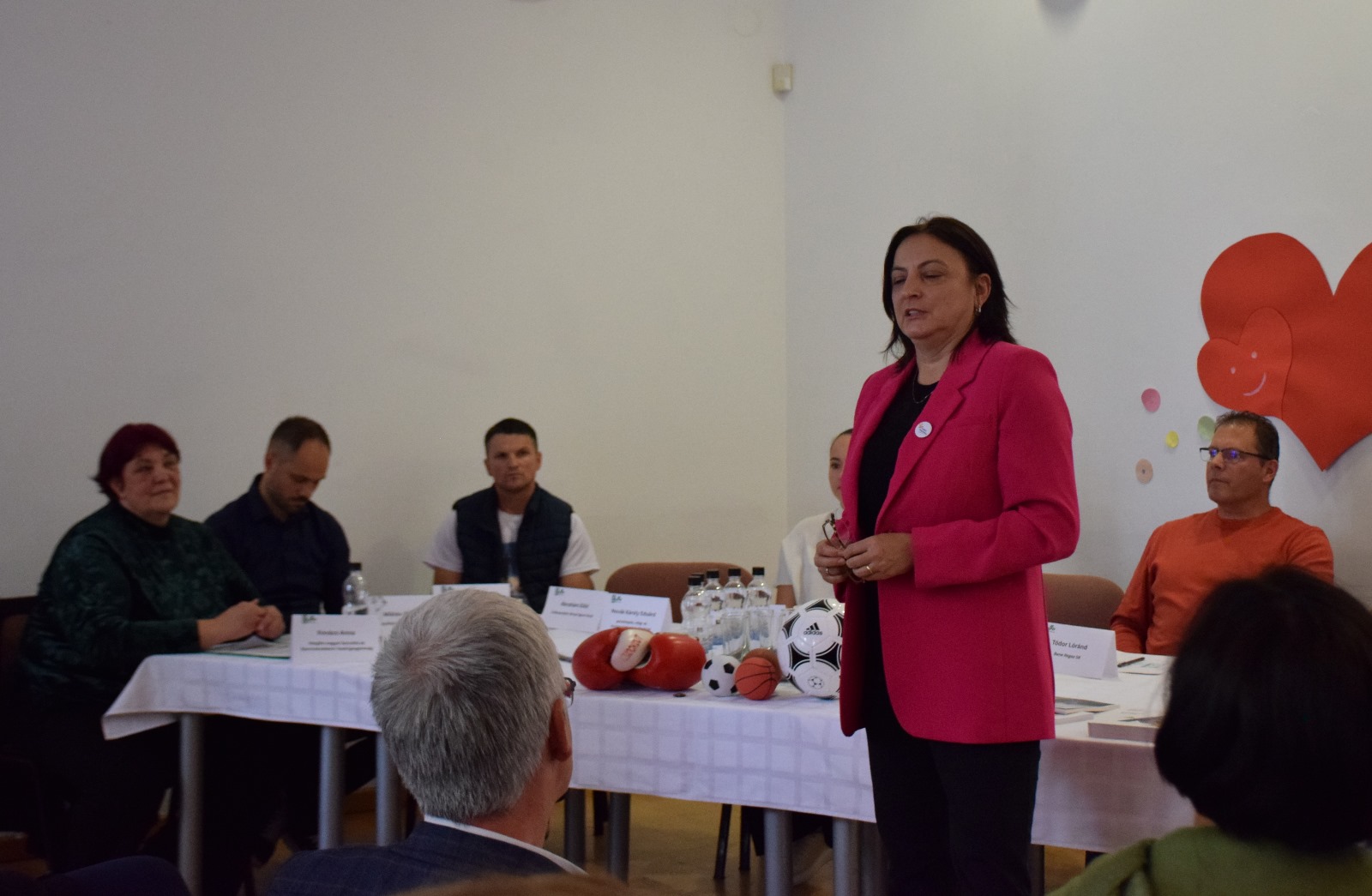
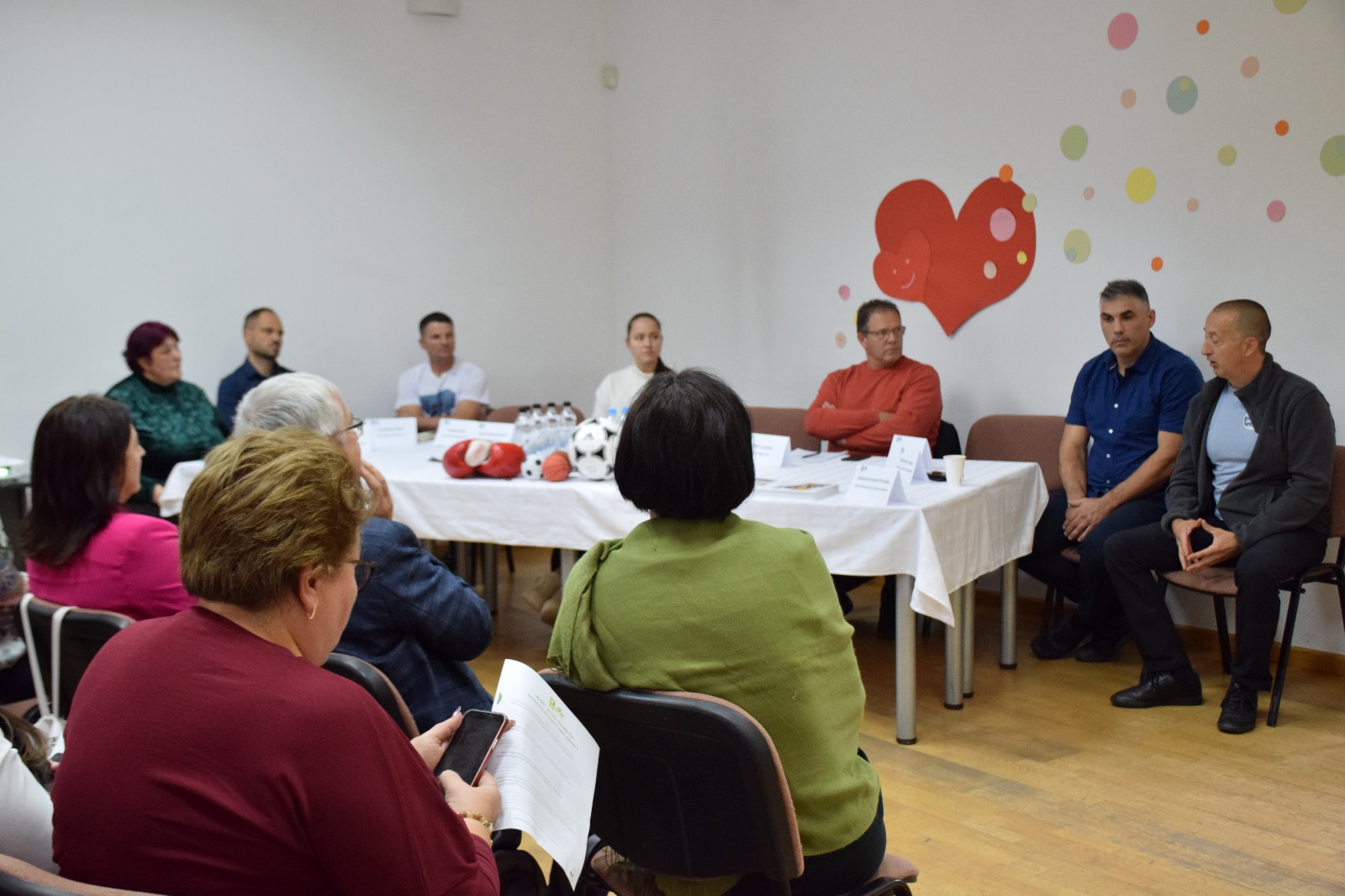
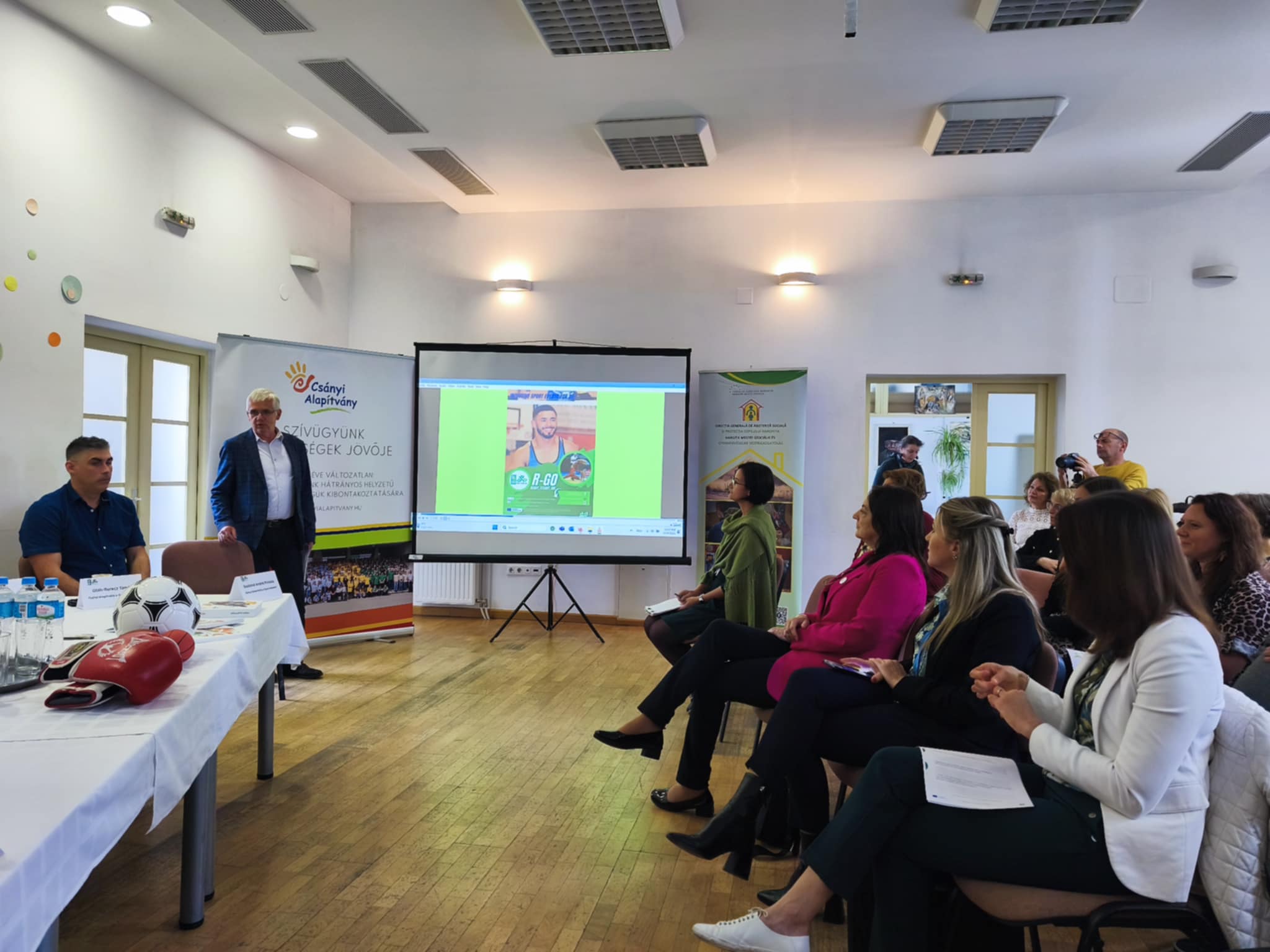
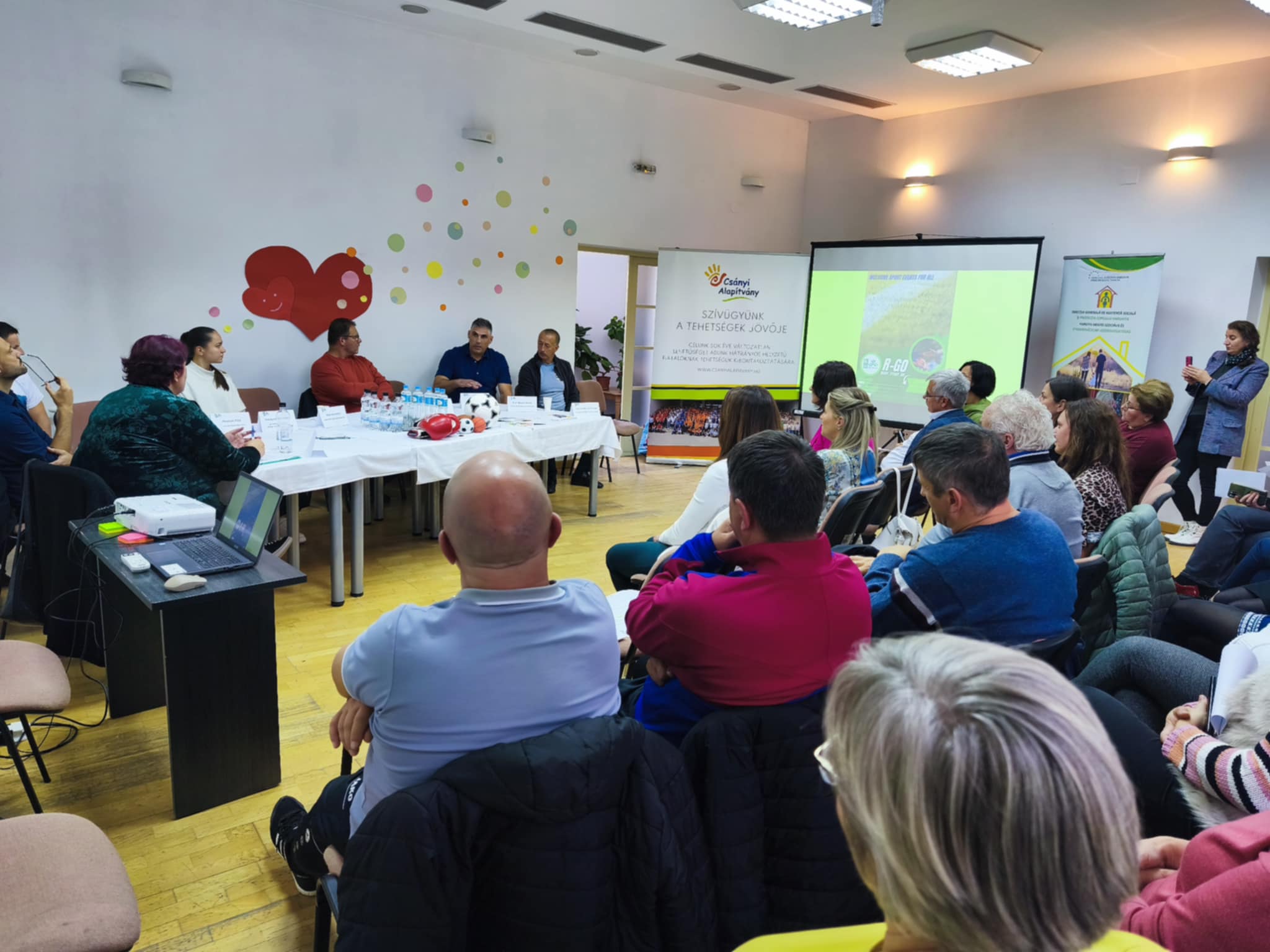
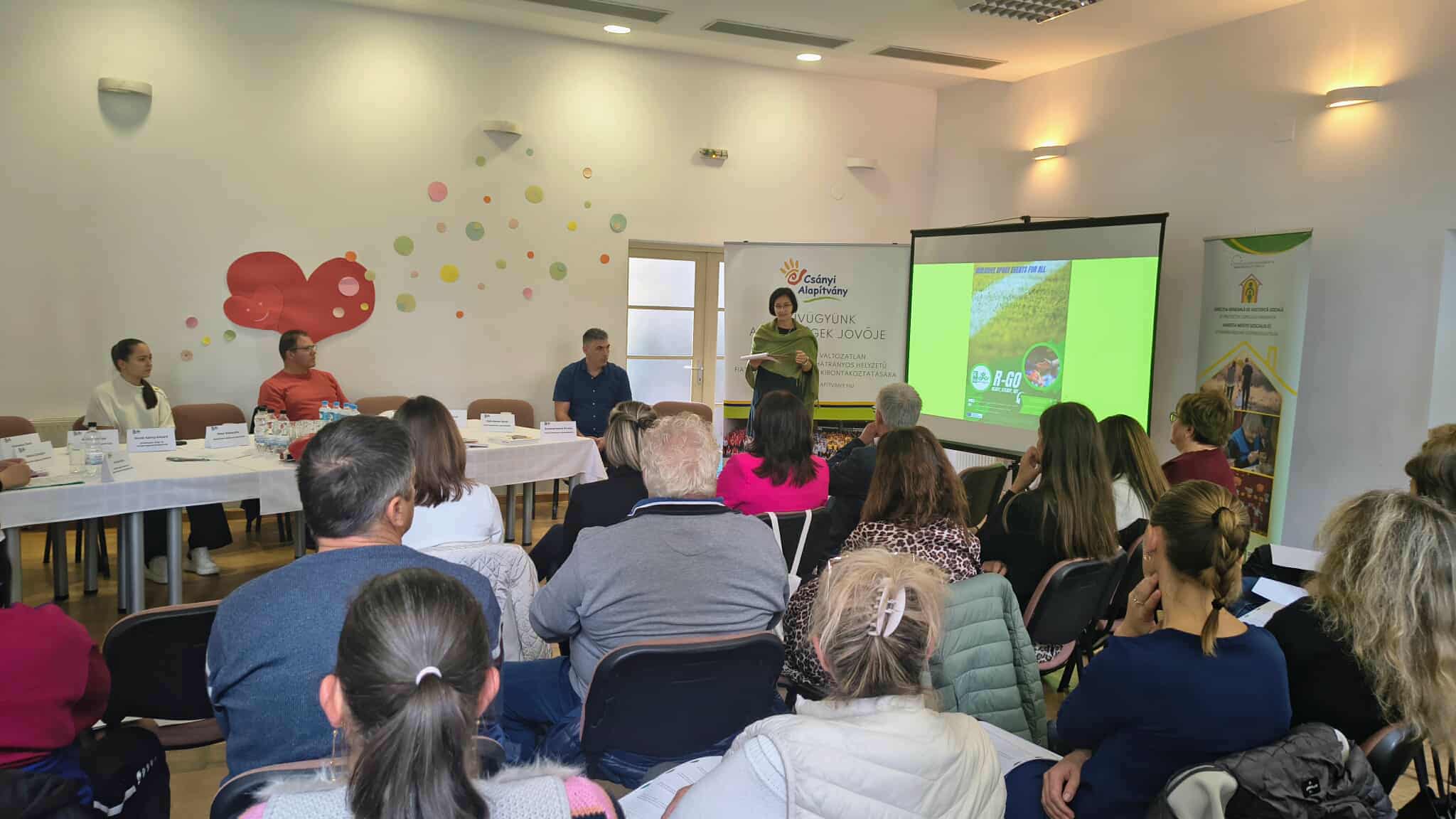
As part of the R-GO – Inclusive Sport Events for All project, a roundtable discussion was held on October 9 in Șumuleu Ciuc, at the new headquarters of the Harghita County Directorate of Social Assistance and Child Protection.
The purpose of the event was to bring together professionals active in the field of sports and to initiate a dialogue about the possibilities of supporting and integrating children and young people from disadvantaged backgrounds.
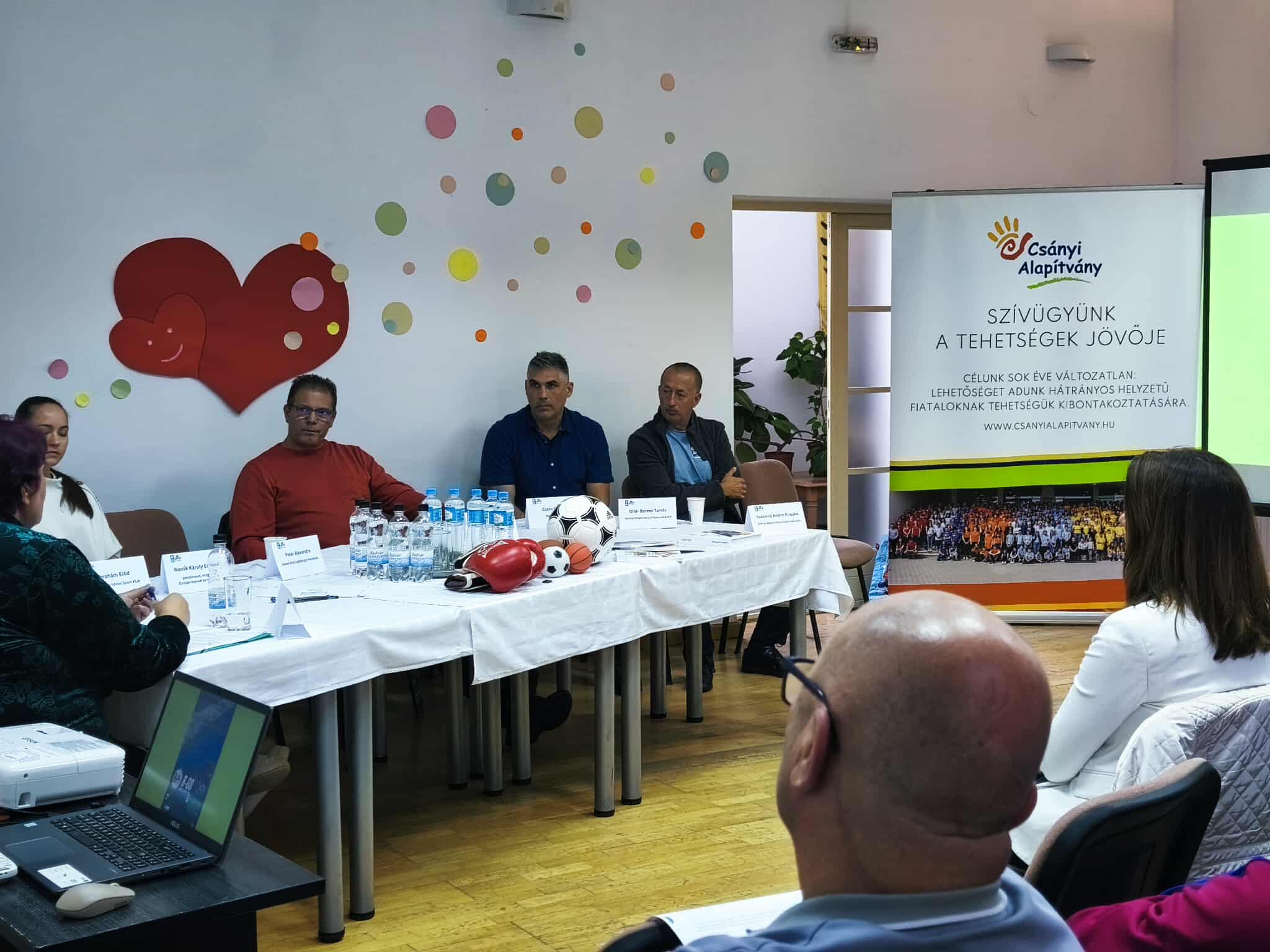
Participants included:
Lóránd Tódor, boxer and coach at Bene Regaz SK,
Domokos Zsolt Szatmári, karate coach from Sic–Szépvíz Karate-Do,
Endre Túrós, physical education teacher, aikido master, and president of the Musubi Association.
The Székelyföld Football Academy was represented by Alexandra Péter, former professional football player, while the Székelyföld Ice Hockey Academy was represented by Csongor Miklós, sports psychologist.
Also present was Tamás Oláh-Berecz, one of the organizers of the sports events of the Csányi Foundation from Hungary — a civil organization that supports disadvantaged children and youth.
The event began with a welcome speech and introductory remarks by Zoltán Elekes, the General Director, followed by Katalin Gál, the host, who briefly presented the R-GO project and outlined the results of the research carried out within the project framework. She emphasized that the “Good Practices” collection can serve as a useful tool and starting point for youth professionals working with disadvantaged groups.
Next, Annamária Éles, mentor of the Csányi Foundation in Mohács, delivered a colorful and engaging presentation about the Erasmus+ summer camps organized last August. Using vivid photos, she described the diverse sports and leisure programs that offered 37 participants from Harghita County and 33 from Hungary unforgettable experiences and opportunities to develop teamwork, problem-solving, and independence skills.
During the camp, participants learned the rules of volleyball, football, and swimming in the mornings, and after lunch and a short rest, they visited local attractions such as the St. Nicholas Water and Treading Mill, the Busóudvar complex in the city center, or tried canoeing on a branch of the Danube.
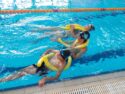
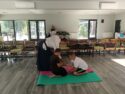
The afternoon sports sessions were equally varied — including volleyball, table tennis, badminton, yoga, and aikido — and swimming, which not only provided fun but also a refreshing escape from the nearly 40°C heat.
After the camp presentation, Piroska André Szabóné gave a brief but comprehensive overview of the activities and mission of the Csányi Foundation, supported by an engaging photo slideshow.
The roundtable discussion opened with the premiere of a 35-minute short film, featuring the stories of five children and young people from disadvantaged backgrounds who have achieved remarkable success. The film shared not only their accomplishments but also the challenges, internal struggles, and personal journeys that led them to success.
During the discussion, a financial contrast became evident:
In Hungary, the Csányi Foundation supports talented children from disadvantaged backgrounds through its “Life Path” (Életút) program — accompanying them from an early age until they complete a degree or vocational qualification.
In contrast, in Harghita County, children in the child protection system or living in extreme poverty often struggle to afford training sessions or purchase sports equipment.
Lóránd Tódor pointed out that disadvantaged children and young people who wish to engage in sports start with fewer opportunities, and that it is the coach’s responsibility to help them overcome feelings of rejection, inferiority, and exclusion. He added that a good coach is simultaneously a mentor, teacher, and psychologist, and that it is crucial for a child to experience success, as otherwise they may lose interest in sports altogether.
Domokos Zsolt Szatmári emphasized the importance of support and expressed regret that children from the child protection system are rarely present at training sessions.
Sports psychologist Csongor Miklós underlined the need to create an environment free from abuse — referring particularly to verbal aggression, shouting, and constant dissatisfaction on the part of some coaches. He stressed the importance of self-awareness among coaches, and argued that sports should focus less on performance and results, and more on meaningful activities that promote long-term healthy lifestyles.
He added: “Parents and coaches alike must understand that children go through psychological stages of development, and expectations should be adapted accordingly.”
Alexandra Péter shared her experience, noting that she played football with girls from the child protection system who worked harder and were often more skilled than their peers, managing to fully integrate into the team.
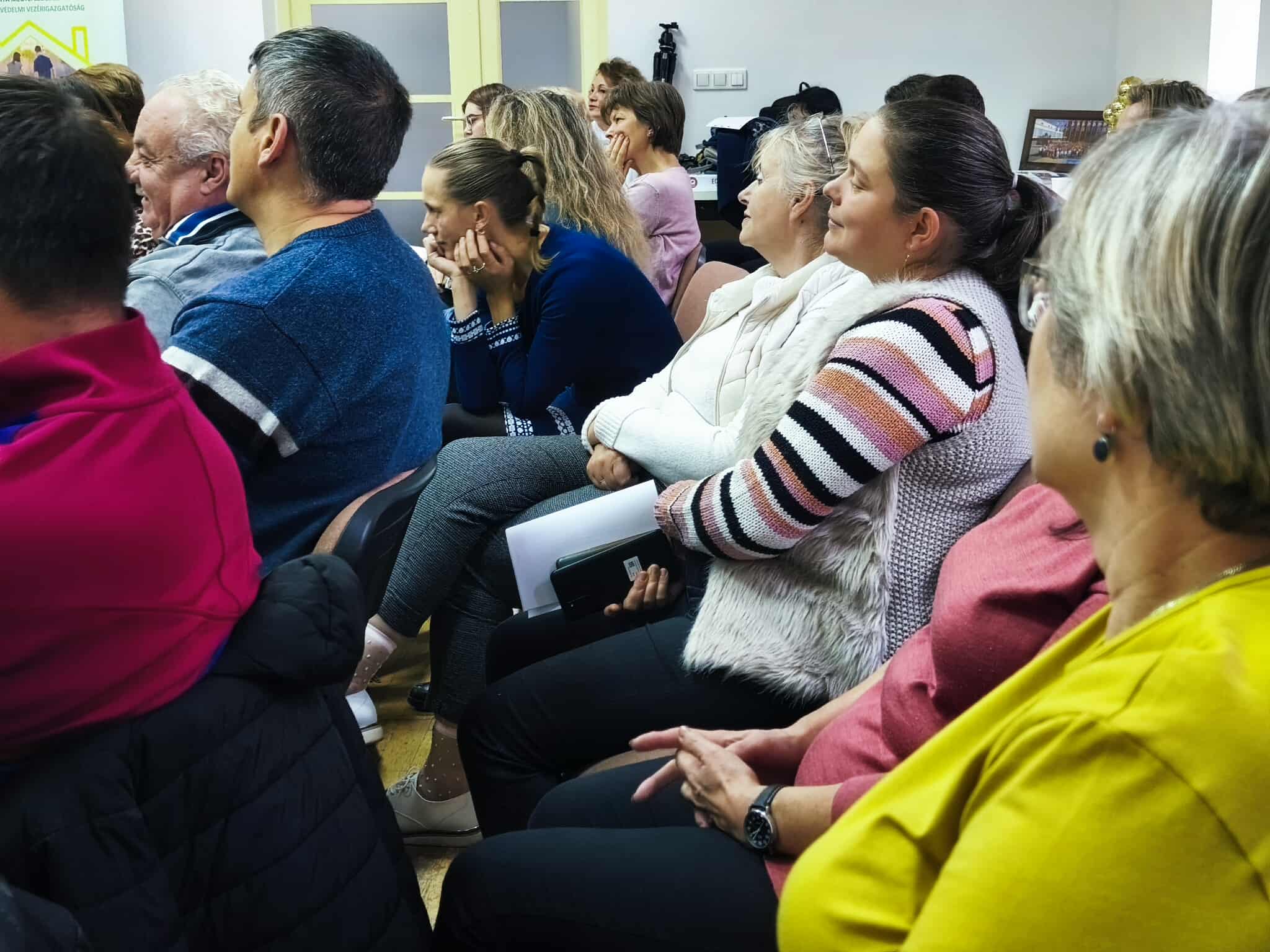
At the end of the discussion, participants welcomed the initiative and expressed hope that the dialogue launched will continue in the future.
Zárókonferencia - Kerekasztal beszélgetés
Kerekasztal beszélgetés az R-GO – Ready, Steady, Go – inclusive sport events for all pályázat keretében
Az R-Go – inclusive sport events for all pályázat keretében kerekasztal beszélgetésre került sor október 9-én, Csíksomlyón, a Hargita Megyei Szociális és Gyermekvédelmi Vezérigazgatóság új székhelyén. A rendezvény célja egy légtérbe hozni a sportban tevékenykedő szakembereket, és beszélgetést kezdeményezni a hátrányos helyzetben élő gyermekek és fiatalok felzárkóztatásának lehetőségéről.
A téma megvitatásában részt vett Tódor Lóránd ökölvívó, a Bene Regaz SK edzője, Szatmári Domokos Zsolt karate edző a Sic- Szépvíz Karate- Do-tól, Túrós Endre testnevelő tanár, aikidó mester, a Musubi Egyesület elnöke. A Székelyföld Labdarugó Akadémiát a beszélgetésen Péter Alexandra, volt profi női focista képviselte, a Székelyföldi Jégkorong Akadémiától pedig Miklós Csongor sportpszichológus volt jelen. A beszélgetésnek szerves része volt a hátrányos helyzetű gyermekeket/fiatalokat támogató anyaországi civilszervezet, a Csányi Alapítvány sporteseményeinek az egyik szervezője, Oláh-Berecz Tamás is.
A rendezvény elején, Elekes Zoltán vezérigazgató köszöntőbeszéde és bevezető gondolatai után a házigazda, Gál Katalin röviden bemutatta az R-GO projektet, majd a pályázat keretében végzett kutatások eredményét vázolta. Mint mondta, a Jó gyakorlatok egy eszköz, egy kiindulópont lehet az ifjúsági szakemberek számára a hátrányos helyzetűekkel való munkában.
Ezt követően Éles Annamária, a Csányi Alapítvány mohácsi mentora színes fotókkal tűzdelt, érdekes beszámolót tartott a tavaly augusztusban zajló Erasmus+ táborok változatos sportprogramjairól, illetve az izgalmas, szórakoztató programokról, melyek lehetőséget nyújtottak a 37 Hargita megyei és 33 magyarországi gyermek és fiatal számára, hogy életre szóló élményeket szerezzenek, fejlesszék a készségeiket a csapatmunka, a problémamegoldás, az önállóság területén. Mint mondta, a táborozók délelőttönként elsajátították a röplabda, a foci és az úszás szabályait, majd az ebédet követő rövid pihenő után csapatokra osztva rendre látogatták a Szent Miklós Vízi- és Taposómalmot, a városközpontban létrehozott Busóudvar komplexumát, vagy kipróbálhatták a kenuzást is, a Duna mellékágán. A délutáni sportfoglalkozások is igen változatosak voltak, így mindenki talált magának olyan tevékenységet, melyet szívesen kipróbált. A táborozók rendre vettek részt a röplabda, a pingpong, a tollaslabda, a jóga és az aikidó tevékenységeken és gyakran választották a medencézést is, mely nemcsak a jó szórakozást biztosította, hanem kellemes, hűsítő hatással volt a táborozókra a közel 40 fokos melegben.
A mohácsi tábor bemutatása után Szabóné André Piroska rövid, de átfogó bemutatót tartott a Csányi Alapítvány tevékenységéről és küldetéséről, melyet szintén színes fotó-összeállítással erősített.
A kerekasztal-beszélgetés egy 35 perces kisfilm premierben történő bemutatásával indult, melyben 5 hátrányos helyzetből induló, de kiemelkedő sikereket elérő gyermek és fiatal izgalmas vallomását láthatjuk nemcsak az elért sikerekről, hanem nehézségekről, a sok belső vívódásról, az útról, melyek a sikerig vezettek.
A beszélgetésen kirajzolódott a párhuzam az anyagi vonatkozást illetően: Magyarországon a Csányi Alapítvány az Életút nevet viselő programmal végigkíséri a hátrányos helyzetben élő, de bármilyen téren tehetséges gyermeket pár éves korától egészen addig, amíg diplomát vagy mesterséget ad a kezébe. Ezzel szemben Hargita megyében problémát jelenthet a gyermekvédelmi rendszerben vagy a mélyszegénységben élő gyermekek számára az edzések kifizetése vagy a felszerelések megvásárlása is.
Tódor Lóránd rámutatott: a hátrányos helyzetben élő, sportolni vágyó gyermekek és fiatalok kevesebb eséllyel indulnak, és az edző feladata az, hogy a bennük levő elutasítottság, elvetettség és kisebbrendűség érzését segítsen áthidalni. Kifejtette, hogy a jó edző egy személyben útmutató, pedagógus és pszichológus is. Az edző fontosnak tartja azt is, hogy a gyermek megízlelhesse a sikert, ezért a mérkőzéseket úgy kell összeállítani, hogy erre is sor kerülhessen. Ellenkező esetben, elveszíti az érdeklődését a sport iránt.
Szatmári Domokos Zsolt a támogatás fontosságát hangsúlyozta, és hiányolta a gyermekvédelmi rendszer gondozottjainak a jelenlétét az edzéseken.
Miklós Csongor sportpszichológus aláhúzta: a gyermekek számára bántalmazásmentes környezetet kell teremteni – itt elsősorban az edzők által gyakorolt verbális bántalmazásra, a kiabálásra, és az állandó elégedetlenségre utalt. Mint mondta, fontos az önismeret az edzők körében és a sport elsősorban ne a teljesítményről, ne az eredményekről, hanem inkább a hasznos időtöltésről, és hosszú távon az egészséges életmódról szóljon. – A szülőknek és az edzőknek egyaránt meg kell érteniük, hogy a gyermekek lelki fejlődési szakaszokon mennek át, és az elvárásokat ezeknek megfelelően kell támasztani feléjük – hangsúlyozta a szakember.
Péter Alexandra azt vallotta: olyan gyermekvédelmi rendszerből érkező lányokkal focizott, akik többet dolgoztak, és messzemenően jobbak voltak társaiknál, és talán ennek köszönhetően teljesen be tudtak illeszkedni a csapatba.
A beszélgetés végén a résztvevők köszöntötték a kezdeményezést és kijelentették: reménykednek abban, hogy az elindított beszélgetés folytatódni fog.
Conferința Finală - Discuție în jurul mesei rotunde
Masă rotundă în cadrul proiectului R-GO – Ready, Steady, Go – evenimente sportive incluzive pentru toți
În cadrul proiectului R-GO – evenimente sportive incluzive pentru toți, a avut loc o masă rotundă pe data de 9 octombrie, la Șumuleu Ciuc, în noul sediu al Direcției Generale de Asistență Socială și Protecția Copilului Harghita.
Scopul evenimentului a fost de a reuni specialiști care activează în domeniul sportului și de a iniția o discuție privind posibilitățile de incluziune și sprijinire a copiilor și tinerilor aflați în situații defavorizate.
La dezbatere au participat:
Tódor Lóránd, boxer, antrenor la clubul Bene Regaz SK,
Szatmári Domokos Zsolt, antrenor de karate de la Sic–Szépvíz Karate-Do,
Túrós Endre, profesor de educație fizică, maestru aikido și președintele Asociației Musubi.
Academia de Fotbal Ținutul Secuiesc a fost reprezentată de Péter Alexandra, fostă fotbalistă profesionistă, iar Academia Secuiască de Hochei pe Gheață de Miklós Csongor, psiholog sportiv.
La discuție a participat și Oláh-Berecz Tamás, unul dintre organizatorii evenimentelor sportive ale Fundației Csányi din Ungaria, o organizație civilă care sprijină copiii și tinerii defavorizați.
La începutul evenimentului, după discursul de deschidere și cuvântul de bun venit al directorului general Elekes Zoltán, gazda, Gál Katalin, a prezentat pe scurt proiectul R-GO și a expus rezultatele cercetărilor realizate în cadrul acestuia. Ea a subliniat că „Bunele practici” pot constitui un instrument util și un punct de plecare pentru specialiștii care lucrează cu tinerii defavorizați.
A urmat prezentarea Éles Annamária, mentor al Fundației Csányi din Mohács, care, cu ajutorul unor imagini sugestive, a oferit un relat al taberelor Erasmus+ desfășurate în august anul trecut. Ea a descris programele sportive variate și activitățile recreative interesante, care le-au oferit celor 37 de copii și tineri din județul Harghita și celor 33 din Ungaria experiențe de neuitat, dezvoltându-le totodată abilitățile de lucru în echipă, rezolvare de probleme și autonomie personală.
Participanții la tabără au învățat dimineața regulile de volei, fotbal și înot, iar după prânz și o scurtă pauză, au vizitat diverse obiective locale – Moara de apă și de călcat Sfântul Nicolae, complexul Busóudvar din centrul orașului – sau au avut ocazia să navigheze cu canoea pe un braț al Dunării. Activitățile sportive de după-amiază au fost, de asemenea, variate: volei, tenis de masă, badminton, yoga, aikido, dar și înotul în piscină, care, pe lângă distracție, a fost o binevenită modalitate de răcorire în căldura de aproape 40°C.
După această prezentare, Szabóné André Piroska a oferit o scurtă, dar cuprinzătoare introducere în activitatea și misiunea Fundației Csányi, însoțită de o serie de imagini ilustrative.
Discuția propriu-zisă a debutat cu premiera unui scurtmetraj de 35 de minute, în care cinci copii și tineri proveniți din medii defavorizate, dar care au obținut succese remarcabile, își împărtășesc poveștile – nu doar despre reușite, ci și despre dificultățile și frământările interioare care au însoțit drumul lor spre succes.
În cadrul dezbaterii s-a conturat un contrast la nivel financiar:
În Ungaria, Fundația Csányi, prin programul Életút („Drumul vieții”), sprijină copiii talentați din medii defavorizate de la o vârstă fragedă până la obținerea unei diplome universitare sau a unei calificări profesionale.
În schimb, în județul Harghita, copiii din sistemul de protecție sau din familii aflate în sărăcie extremă se confruntă adesea cu dificultăți în a plăti antrenamentele sau în a-și cumpăra echipamentele necesare.
Tódor Lóránd a subliniat că tinerii defavorizați care doresc să facă sport pornesc cu șanse mai mici, iar antrenorul are rolul de a-i ajuta să depășească sentimentele de respingere, inferioritate și neîncredere. El a afirmat că un bun antrenor este, în același timp, mentor, pedagog și psiholog, și că este esențial ca un copil să poată experimenta gustul succesului, pentru a nu-și pierde interesul față de sport.
Szatmári Domokos Zsolt a accentuat importanța sprijinului constant și a remarcat absența copiilor din sistemul de protecție de la antrenamente.
Psihologul sportiv Miklós Csongor a subliniat necesitatea creării unui mediu lipsit de abuz pentru copii – referindu-se în special la abuzul verbal, țipetele și critica excesivă din partea antrenorilor. El a menționat că autocunoașterea este esențială pentru antrenori, iar sportul ar trebui să fie orientat nu către performanță și rezultate, ci către petrecerea timpului în mod constructiv și, pe termen lung, către promovarea unui stil de viață sănătos.
„Părinții și antrenorii trebuie să înțeleagă că dezvoltarea psihologică a copiilor are etape, iar așteptările trebuie adaptate la aceste etape”, a subliniat specialistul.
Péter Alexandra a împărtășit experiența sa, spunând că a jucat fotbal alături de fete provenite din sistemul de protecție, care au muncit mai mult și au fost adesea mai bune decât colegele lor, reușind astfel să se integreze complet în echipă.
La finalul mesei rotunde, participanții au salutat inițiativa și au exprimat speranța că dialogul început va continua în viitor.
Gallery/ Gáleria/ Galerie foto

Best Practice Guide
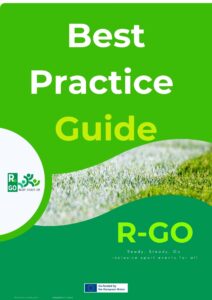
This Good Practice Guide was developed within the framework of the R-GO project to explore how sport can become a powerful tool for inclusion and empowerment. Its purpose is to provide youth facilitators, educators, and professionals with both a theoretical foundation and practical strategies for creating inclusive sports programs that encourage the social integration of disadvantaged children and young people while promoting health education.
Best Practice Guide
This guide aims to raise awareness about the importance of inclusive practices and the positive effects that physical activity can have on children’s development and well-being. It offers practical tools and methodologies that professionals can adapt to foster participation, build self-confidence, and reduce the risks of social exclusion. Structured into three main parts — theoretical foundations, national contexts, and practical recommendations — this guide is intended to serve as both a reference and a hands-on resource for those working with disadvantaged youth.
The development of the guide was based on an in-depth, evidence-based review, combining both theoretical and empirical approaches. A literature review of recent publications provided insight into theoretical frameworks, effective methodologies and best practices that highlight the role of sports in promoting inclusion. At the same time, successful initiatives from the partner countries were collected to ensure the guide reflects diverse experiences and adaptable strategies.
To better understand the real-life needs and barriers, empirical research was conducted through structured group discussions (focus group interviews) across the participating countries. These discussions involved youth workers and educators who are directly engaged with disadvantaged young people, as well as the children and youth themselves — both those under and over the age of 14. The focus groups explored sports habits, attitudes toward healthy lifestyles, and obstacles to participation, while also assessing the role of inspiration provided by athletes and tailored programmes.
The knowledge gained from this process has been synthesized into the Good Practice Guide you now hold. By blending theory, practical insights, and lived experiences, the guide provides a comprehensive resource to support professionals in organising inclusive sports events. Available in English, Romanian, and Hungarian, it aims to inspire and equip practitioners to create opportunities that empower disadvantaged children and youth, foster a sense of community belonging, and promote healthier, more inclusive futures.
Jó Gyakorlatok Útmutató
Ez a Jó Gyakorlatok Útmutató az R-GO projekt keretében készült annak feltárására, miként válhat a sport a befogadás és a megerősítés hatékony eszközévé. Célja, hogy elméleti alapokkal és gyakorlati módszerekkel támogassa az ifjúsági dolgozókat, pedagógusokat és más szakembereket olyan inkluzív sportprogramok megvalósításában, amelyek elősegítik a hátrányos helyzetű gyermekek és fiatalok társadalmi integrációját, miközben hozzájárulnak az egészségtudatosság erősítéséhez is.
Az útmutató célja továbbá, hogy felhívja a figyelmet a befogadó szemlélet jelentőségére, valamint arra a pozitív hatásra, amelyet a rendszeres testmozgás gyakorol a gyermekek fejlődésére és jóllétére. Olyan gyakorlati eszközöket és módszertani javaslatokat kínál, amelyeket a szakemberek saját munkájukban rugalmasan alkalmazhatnak a részvétel ösztönzésére, az önbizalom erősítésére és a társadalmi kirekesztettség kockázatának csökkentésére. Az útmutató három fő részre tagolódik — elméleti alapok, nemzeti kontextusok és gyakorlati ajánlások —, így egyszerre szolgál szakmai háttéranyagként és a mindennapi munkát segítő, közvetlenül alkalmazható kézikönyvként a hátrányos helyzetű fiatalokkal dolgozó szakemberek számára.
Az útmutató kidolgozása alapos, bizonyítékokon alapuló elemzésre épült, amely ötvözte az elméleti és empirikus megközelítéseket. A legfrissebb szakirodalom áttekintése rávilágított azokra az elméleti keretekre, hatékony módszertanokra és bevált gyakorlatokra, amelyek hangsúlyozzák a sport szerepét a társadalmi befogadás előmozdításában. Ezzel párhuzamosan a partnerországok sikeres kezdeményezéseinek összegyűjtése biztosította, hogy az útmutató sokszínű tapasztalatokra és könnyen átültethető megközelítésekre épüljön.
A valós szükségletek és akadályok mélyebb megértése érdekében a résztvevő országokban strukturált csoportos beszélgetések (fókuszcsoportos interjúk) keretében empirikus kutatás is zajlott. A beszélgetésekbe bevonták a hátrányos helyzetű fiatalokkal közvetlenül dolgozó ifjúsági dolgozókat és pedagógusokat, valamint magukat a gyermekeket és fiatalokat is — mind a 14 év alatti, mind az idősebb korosztályból. A fókuszcsoportok a sportolási szokásokat, az egészséges életmódhoz való viszonyulást és a részvételt akadályozó tényezőket vizsgálták, továbbá értékelték a sportolók által nyújtott inspiráció és a személyre szabott programok szerepét.
A projekt során összegyűjtött tapasztalatok és eredmények ebben a Jó Gyakorlatok Útmutatóban került összegzésre. Az elméleti háttér, a gyakorlati tapasztalatok és a résztvevők valós élményeinek ötvözésével az útmutató átfogó szakmai segédanyagként támogatja az inkluzív sportesemények szervezését. Az angol, román és magyar nyelven elérhető kiadvány célja, hogy inspirációt és kézzelfogható eszközöket adjon a szakemberek számára olyan lehetőségek megteremtéséhez, amelyek megerősítik a hátrányos helyzetű gyermekeket és fiatalokat, fejlesztik a közösségi kötődésüket, és hozzájárulnak egy egészségesebb, befogadóbb jövő kialakításához.
Ghid de bune practici
R-GO – Best Practices – RO – Ghid de bune practici(1)
Acest Ghid de bune practici a fost elaborat în cadrul proiectului R-GO, pentru a evidenția modul în care sportul poate deveni un instrument valoros pentru incluziune și pentru dezvoltarea potențialului personal. Scopul său este de a oferi lucrătorilor de tineret, cadrelor didactice și altor profesioniști atât repere teoretice solide, cât și soluții practice pentru crearea unor programe sportive incluzive. Scopul acestor programe este să sprijine integrarea socială a copiilor și tinerilor proveniți din medii dezavantajate și să contribuie la promovarea educației pentru sănătate.
Ghidul atrage atenția asupra importanței practicilor incluzive și asupra impactului pozitiv pe care activitatea fizică îl are asupra dezvoltării armonioase și stării de bine a copiilor. El pune la dispoziție instrumente și metode practice, ușor de adaptat la diverse contexte, pentru a încuraja participarea activă, a consolida încrederea în sine și a preveni riscurile asociate excluziunii sociale. Structurat în trei secțiuni principale — fundamente teoretice, contexte naționale și recomandări practice — ghidul îmbină perspectiva teoretică cu aplicabilitatea concretă, fiind conceput ca o resursă utilă pentru cei care lucrează cu tineri din medii vulnerabile.
Elaborarea ghidului s-a bazat pe o analiză aprofundată, fundamentată pe dovezi științifice, care a îmbinat perspectiva teoretică cu cea empirică. Revizuirea literaturii de specialitate recente a oferit repere clare privind cadrele teoretice relevante, metodologiile eficiente și exemplele de bune practici care evidențiază rolul sportului în promovarea incluziunii. În același timp, au fost colectate inițiative de succes din țările partenere, astfel încât ghidul să reflecte experiențe diverse și strategii adaptabile la contexte diferite.
Pentru a înțelege mai bine nevoile reale și barierele întâmpinate în practică, a fost realizată o cercetare empirică prin discuții de grup structurate (interviuri de tip focus grup) în toate țările participante. La aceste discuții au luat parte lucrători de tineret și cadre didactice implicați direct în activitatea cu tineri din medii dezavantajate, precum și copii și tineri — atât sub 14 ani, cât și peste această vârstă. În cadrul focus grupurilor au fost analizate obiceiurile legate de practica sportivă, atitudinile față de un stil de viață sănătos, obstacolele în calea participării, dar și rolul inspirațional al sportivilor și importanța programelor adaptate nevoilor specifice.
Impressions on Multi-profile Sports Camps
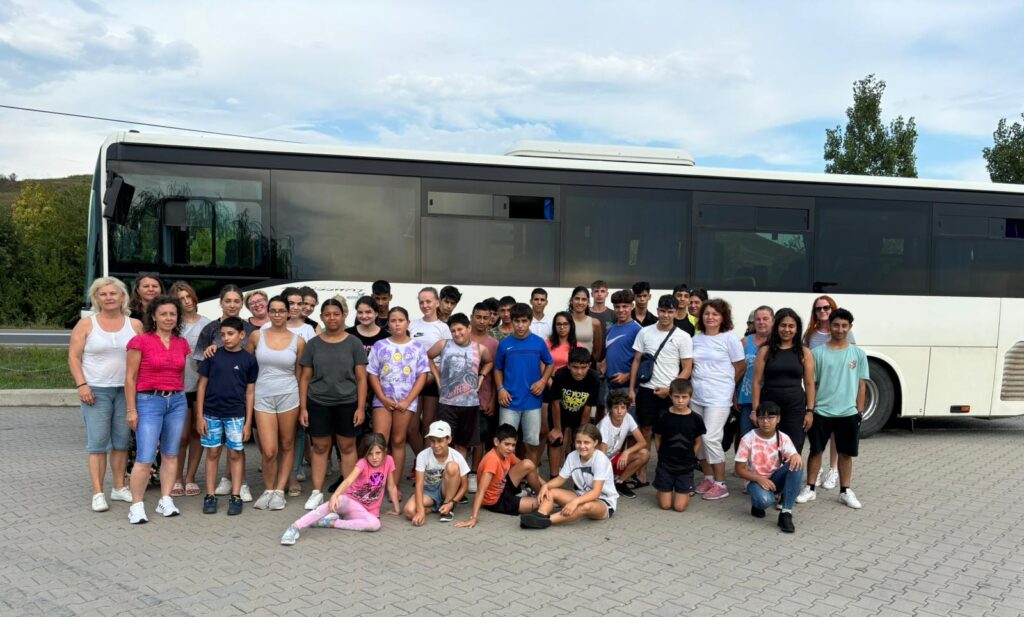
The R-GO camps have ended. Let’s see how was the general atmosphere from the view of the participants!
Continue reading
👉Andás: For me, the sports camp was full of experience as I gained a lot of new experiences in the field of sports and I had new experiences through the various programs. In football, there were tactical tasks that I was able to pay more attention to and apply. I had a great time, because I met old friends, met new ones and the programs went well together! It was my first sport camp, but I’m glad I was able to come there because it was fun!
👉 Alpár: The programs were very good, the place was nice and clean, the food was very delicious and the people were very kind. I had a good time, the camp was very well organized.
👉 Krisztián: The atmosphere was very good, the place where we stayed was very nice and we met many nice people. I didn’t expect it to be this good. I liked football the most.
👉 András: I had very good experiences, it was very good, we exercised a lot and I think football was the best sports program.
👉 Klementina: I love football, I’ve been playing football for half a year, I learned the tactics from the elder ones. I think one of the best program in the camp was football. We also had a good time at the entertainment programs.
👉 Hejdi: For me, this camp gave me memorable and unforgettable experiences. The early morning wake-ups, the morning trainings, and games, as well as the evening camp programs. During our free time, we played a lot and swam in the pool, it was nice to see that everyone was having a good time. The hosts were very welcoming, patiently taught us, and encouraged us to never give up. New friendships were born in the camp, but it was also nice to see old, familiar faces as well. Participation in the sports camp developed not only my physical, but also my mental and social skills and gave me the opportunity to learn new things and face challenges. In addition to sports, deep conversations with mentors and youth workers filled me with self-confidence. Overall, the camp was an unforgettable and inspiring experience, in which one was recharged both physically and mentally. Thank you for being part of the camp.
👉Paloma: I had very good experience with the camp, I liked the programs, they were very varied. I was happy to participate in the football sessions, the community and the coaches were good. The food was very delicious, one of my favorite activities I participated in was swimming, canoeing, and the Busó museum, and I also really enjoyed the dance evening. I am glad that I was able to attend this camp and I hope that if everything goes well, there will be a camp like this in the future and I can be there.
👉 Kinga: When I found out that I was going to participate in a Csányi camp again, I was very happy, because every Csányi camp is an eternal memory, and of course, it was my first camp abroad. I really liked the programs because we can always learn something new. Since I had never experienced anything like that before, I liked the boat tour the best. Of course, the community was also very good, we made new friends, with whom we parted with the idea that we will still keep in touch. I hope that there will be more such camps because I think they will remain unforgettable memories for everyone.
Sport táborok
Az alábbiakban pár kedvezményezettünk élménybeszámolóját teszünk közzé, melyek az R-GO – Ready, Steady, Go – inclusive sport events for all című pályázatunk keretében zajló mohácsi sporttáborokban való részvétel nyomán születtek:
Pivo Andás: Számomra a sporttábor élménydús volt mivel rengeteg új tapasztalatot szereztem a sport terén és akülönböző programok által újabb élményben volt részem. A focin voltak taktikai feladatok, amikre sikerült felfigyeljek még jobban, és alkalmazzam. Nagyon jól éreztem magam, mivel találkoztam régi barátokkal, ismertem meg újakat és jól teltek együtt a programok! Első sporttáborom volt, de örülök, hogy sikerült eljutnom ide, mert jól telt!
Márton Alpár Rafael: Nagyon jók voltak a programok, szép tiszta volt a hely, az ételek nagyon finomak az emberek pedig nagyon kedvesek voltak. Jól éreztem magam, nagyon jól meg volt szervezve a tábor.
Szeles Krisztián: Nagyon jó volt a hangulat, nagyon szép volt a hely, ahol tartózkodtunk és sok kedves emberrel találkoztunk. Nem reméltem, hogy ilyen jó lesz. Nekem a legjobban a foci tetszett.
Mihály András: Nagyon jó élményekben volt részem, nagyon jól telt, sokat mozogtunk és szerintem is a legjobb sportprogram a foci volt.
Klementina: szeretem a focit, fél éve focizom, a taktikákat a nagyobbaktól tanultam. A táborban az egyik legjobb program szerintem a foci volt. Jól éreztük magunkat a szórakoztató programokon is.
Belső Hejdi: Számomra ez a tábor emlékezetes és felejthetetlen élményeket adott. A reggeli korai kelések, a délelőtti edzések és játékok, valamint az esti tábori programok mind egyaránt élményeket, tapasztalatokat nyújtottak számomra. A szabadidő alatt sokat játszottunk, úsztunk a medencében, jó volt látni, hogy mindenki jól érzi magát. Nagyon befogadóak voltak a magyarországiak, türelmesen tanítottak minket és biztattak bennünket, hogy ne adjuk fel soha. A táborban új barátságok is születtek, de jó volt látni a régi, ismerős arcokat is. A sporttáborban való részvétel nemcsak a testi, hanem a szellemi és szociális készségeket is fejlesztette és lehetőséget adott arra, hogy új dolgokat tanuljunk és kihívásokkal szembesüljünk. A sport mellett a mentorokkal és fejlesztőkkel való mély beszélgetések sokkal előrébb vittek engem, önbizalommal töltöttek el. Összességében a tábor felejthetetlen és inspiráló élmény volt, amelyben az ember testileg és lelkileg is feltöltődött. Köszönöm, hogy része lehettem a tábornak.
Simó Paloma: A táborral kapcsolatosan nagyon jó élményeim vannak, tetszettek a programok, nagyon változatosak voltak. Örömmel vettem részt a foci edzéseken, jó volt a közösség és az edzők is. Az ételek finomak voltak nagyon, az egyik kedvenc tevékenység, amelyen részt vettem, a medencézés, a kenuzás, és a Busó múzeum volt, na meg a táncest is nagyon tetszett. Örülök, hogy részt vehettem ebben a táborban és remélem, hogy ha minden jól megy, akkor a jövőben is lesz ilyen tábor, és ott lehetek.
Dula Kinga: Amikor megtudtam, hogy részt fogok venni ismét egy Csányi táborban nagyon boldog lettem, hiszen minden Csányis tábor egy örök emlék, és persze mert első táborom külföldön. Nekem nagyon tetszettek a programok, mert mindig valami újat tanulhatunk. Az élményhajokázás tetszett a legjobban mivel még soha nem volt részem ilyenben. Persze a közösség is nagyon jó volt, újabb barátokat szereztünk, akikkel úgy váltunk el, hogy fogjuk még tartani a kapcsolatokat. Remélem, hogy még lesznek ilyen táborok, mert ezek szerintem feledhetetlen emlékek maradnak mindenki számára.
Tabere sportive multi-profil
Taberele R-GO s-au încheiat. Să vedem cum a fost atmosfera generală din punctul de vedere al participanților!
👉Andás: Pentru mine, tabăra sportivă a fost plină de experiență, deoarece am dobândit o mulțime de experiențe noi în domeniul sportului și am avut experiențe noi prin diferitele programe. La fotbal, au fost sarcini tactice la care am reușit să fiu mai atent și să le aplic. M-am simțit foarte bine, pentru că m-am întâlnit cu prieteni vechi, cu alții noi și programele au mers bine împreună! A fost prima mea tabără sportivă, dar mă bucur că am putut să vin acolo, pentru că a fost distractiv!
👉 Alpár: Programele au fost foarte bune, locul a fost frumos și curat, mâncarea a fost foarte delicioasă și oamenii au fost foarte amabili. M-am simțit bine, tabăra a fost foarte bine organizată.
👉 Krisztián: Atmosfera a fost foarte bună, locul în care am stat a fost foarte frumos și am cunoscut mulți oameni drăguți. Nu mă așteptam să fie atât de bine. Cel mai mult mi-a plăcut fotbalul.
👉 András: Am avut experiențe foarte bune, a fost foarte bine, am făcut multă mișcare și cred că fotbalul a fost cel mai bun program sportiv.
👉 Klementina: Îmi place fotbalul, joc fotbal de jumătate de an, am învățat tactica de la cei mai mari. Cred că unul dintre cele mai bune programe din tabără a fost fotbalul. Ne-am simțit bine și la programele de divertisment.
👉 Hejdi: Pentru mine, această tabără mi-a oferit experiențe memorabile și de neuitat. Trezirile de dimineață, antrenamentele și jocurile de dimineață, precum și programele de tabără de seară. În timpul liber, ne-am jucat mult, am înotat în piscină, a fost plăcut să văd că toată lumea se simțea bine. Gazdele au fost foarte primitoare, ne-au învățat cu răbdare și ne-au încurajat să nu renunțăm niciodată. În tabără s-au născut noi prietenii, dar a fost de asemenea plăcut să vedem și fețe vechi, familiare. Participarea la tabăra sportivă mi-a dezvoltat nu doar abilitățile fizice, ci și pe cele mentale și sociale și mi-a dat ocazia să învăț lucruri noi și să fac față provocărilor. În plus față de sport, conversațiile profunde cu mentorii și lucrătorii de tineret m-au umplut de încredere în mine. În general, tabăra a fost o experiență de neuitat și plină de inspirație, în care te-ai reîncărcat atât fizic, cât și mental. Vă mulțumesc pentru că ați făcut parte din tabără.
👉Paloma: Am avut o experiență foarte bună despre tabără, mi-au plăcut programele, au fost foarte variate. Am fost fericită să particip la sesiunile de fotbal, comunitatea și mentorii au fost buni. Mâncarea a fost foarte delicioasă, una dintre activitățile mele preferate la care am participat a fost înotul, canotajul și muzeul Busó și, de asemenea, mi-a plăcut foarte mult seara de dans. Mă bucur că am putut participa la această tabără și sper că, dacă totul merge bine, va exista o astfel de tabără în viitor și voi putea fi acolo.
👉 Kinga: Când am aflat că voi participa din nou la o tabără Csányi, am fost foarte fericită, pentru că fiecare tabără Csányi este o amintire eternă și, desigur, a fost prima mea tabără în străinătate. Mi-au plăcut foarte mult programele pentru că întotdeauna putem învăța ceva nou. Deoarece nu mai experimentasem niciodată așa ceva, cel mai mult mi-a plăcut turul cu barca. Bineînțeles, și comunitatea a fost foarte bună, ne-am făcut prieteni noi, de care ne-am despărțit cu ideea că vom ține legătura în continuare. Sper că vor mai exista astfel de tabere, pentru că eu cred că vor rămâne amintiri de neuitat pentru toată lumea.
Gallery/ Gáleria/ Galerie foto
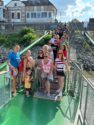
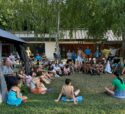
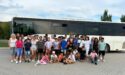
Multi-profile Sports Camps
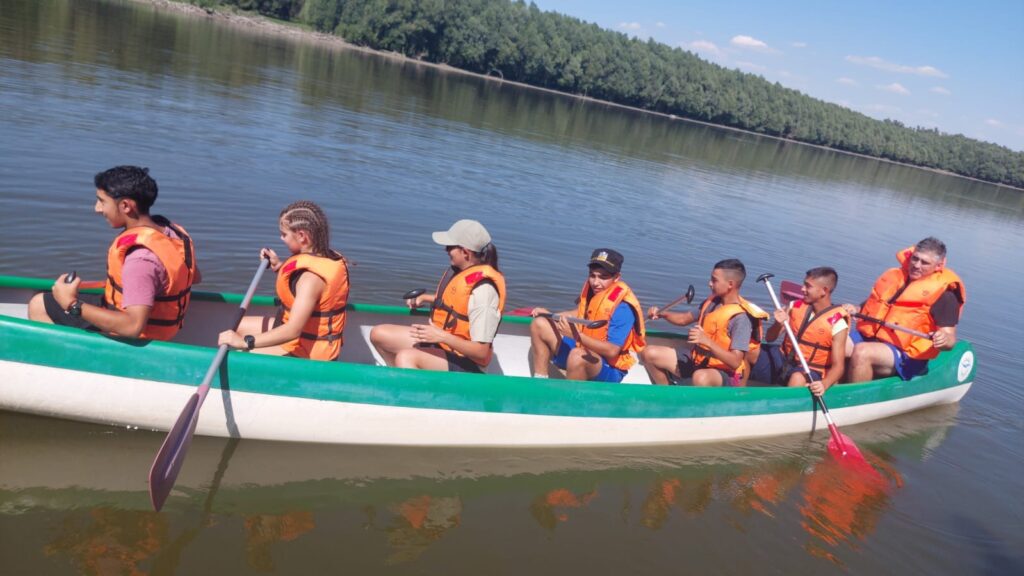
Between 12-17th August 2024 two sports camps were held in Mohács, Hungary within the R-GO – Ready, Steady, Go – inclusive sport events for all Erasmus+ project. The camps were organized for children aged 7–14 and 14+ in which a total of 70 disadvantaged young people (37 from DGASPC HR and 33 from Csányi Alapítvány) participated.
Continue reading
The participants were accompanied by 4 mentors, 5 educators, and 3 youth workers, joined by 2 trainers from the Musubi Sports Association Csikszereda, and 18 trainers from the Csányi Foundation. Enlisting the help of small mentors is a proven practice at the Csányi Foundation, which develops the sense of responsibility of adults, so the mentor participants are residents of the family-type houses, who participated in the camp not only as beneficiaries but as kind of supervisors.
The program of the camp was designed based on the results of the needs analysis conducted by the researchers at the beginning of the year. The organizers focused on providing a wide range of sports activities, where boys and girls can equally participate in several sports, such as football, swimming, table tennis, badminton, volleyball, or aikido.
Sport táborok
2024. augusztus 12–17. között, a magyarországi Mohács városában két sporttábort szerveztek az R-GO – Ready, Steady, Go – Inclusive Sport Events for All program keretében, amely az Erasmus+ támogatásával valósult meg.
A táborokat 7–14 éves, illetve 14 év feletti gyermekek és fiatalok számára szervezték. Összesen 70 hátrányos helyzetű fiatal vett részt a programban: 37-en a DGASPC Harghita intézményeiből, 33-an pedig a Csányi Alapítvány képviseletében.
A résztvevőket 4 mentor, 5 nevelő és 3 ifjúsági munkás kísérte. A szakmai csapathoz csatlakozott továbbá 2 edző a Musubi Sportegyesület részéről, valamint 18 edző a Csányi Alapítványtól.
A „kis mentorok” bevonása a Csányi Alapítványnál már bevált gyakorlat, amely a fiatal felnőttek felelősségtudatának fejlesztését szolgálja. A mentor szerepet betöltő résztvevők a lakásotthonok lakói közül kerültek ki, és a táborban kettős szerepet vállaltak: egyrészt a program kedvezményezettjei voltak, másrészt segítőként támogatták a szervezők munkáját, a felügyelői feladatokhoz hasonló felelősséget vállalva.
A tábor programját a projektpartnerek által az év elején elvégzett szükségletfelmérés eredményei alapján állították össze. A szervezők nagy hangsúlyt fektettek a sokszínűségre és arra, hogy a fiúk és lányok egyenlő eséllyel vehessenek részt a sporttevékenységekben. A programban többek között labdarúgás, úszás, asztalitenisz, tollaslabda, röplabda és aikidó szerepelt.
Tabere sportive multi-profil
În perioada 12–17 august 2024, la Mohács, Ungaria, au fost organizate două tabere sportive în cadrul proiectului R-GO – Ready, Steady, Go – Inclusive Sport Events for All, finanțat prin programul Erasmus+.
Taberele au fost destinate copiilor și tinerilor cu vârste între 7–14 ani și 14+, reunind un total de 70 de tineri proveniți din medii defavorizate (37 din cadrul DGASPC Harghita și 33 de la Fundația Csányi).
Participanții au fost însoțiți de 4 mentori, 5 educatori și 3 lucrători de tineret. Echipei i s-au alăturat 2 antrenori din cadrul Asociația Sportivă Musubi, precum și 18 antrenori din partea Fundației Csányi. Implicarea micilor mentori reprezintă o practică deja consacrată în cadrul Fundației Csányi, contribuind la dezvoltarea responsabilității la tinerii adulți. Mentorii participanți provin din casele de tip familial și au avut un rol dublu în tabără: atât beneficiari ai activităților, cât și sprijin pentru organizatori, asumându-și responsabilități apropiate de cele ale supervizorilor.
Programul taberei a fost conceput pe baza rezultatelor analizei de nevoi realizate de partenerii proiectului la începutul anului. Organizatorii au pus accent pe diversitate și acces egal la activități sportive pentru fete și băieți, oferind posibilitatea practicării mai multor discipline, precum fotbal, înot, tenis de masă, badminton, volei sau aikido.
Gallery/ Gáleria/ Galerie foto
Short Documentary Video
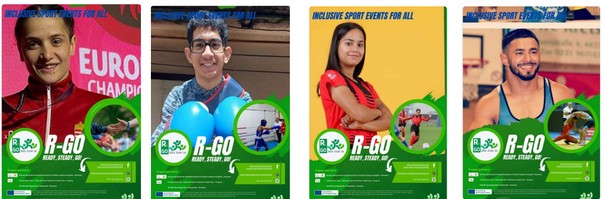
Five young people from disadvantaged backgrounds contributed to this short documentary by sharing their personal success stories achieved through sport. Through their journeys, they demonstrate how perseverance, support, and dedication to sport helped them overcome challenges and build a positive future.
Short Documentary Video
Short Documentary Video: A 30-minute documentary showcasing successful athletes from disadvantaged backgrounds, including youth from state care and other vulnerable situations. The video highlights their journeys, achievements, and the challenges they overcame, aiming to inspire and motivate other young people facing similar circumstances to engage in sports and pursue their goals.
The interview is available in Hungarian with Romanian and English subscription.
The interviews can be accessed https://www.youtube.com/watch?v=oT_ceeI7jck
Rövid dokumentumfilm
Rövid dokumentumfilm:
Egy 30 perces dokumentumfilm, amely hátrányos helyzetű háttérből származó sikeres sportolókat mutat be, köztük állami gondozásban nevelkedett vagy más sérülékeny helyzetben élő fiatalokat. A film bemutatja életútjukat, eredményeiket és azokat a kihívásokat, amelyeket leküzdöttek. Célja, hogy inspirálja és motiválja a hasonló körülmények között élő fiatalokat arra, hogy sportoljanak és kövessék céljaikat.
Az interjú magyar nyelven érhető el, román és angol felirattal.
Az interjúk megtekinthetők itt:
Scurt documentar video
Documentar video de scurt metraj:
Un documentar de 30 de minute care prezintă sportivi de succes proveniți din medii defavorizate, inclusiv tineri care au crescut în sistemul de protecție a copilului sau în alte situații vulnerabile. Filmul evidențiază parcursul lor, realizările obținute și dificultățile depășite, cu scopul de a inspira și motiva alți tineri aflați în contexte similare să se implice în activități sportive și să își urmeze obiectivele.
Interviul este disponibil în limba maghiară, cu subtitrare în română și engleză.
Interviurile pot fi accesate aici:
Gallery/ Gáleria/ Galerie foto